The Breath as Oracle: Lunar and Solar Currents
Śakunaśabdapraśasti works with svarodaya — the science of breath — reading the left and right nasal currents to answer questions of life, death, battle, and healing.
9 articles filed under Jyotisha.

Śakunaśabdapraśasti works with svarodaya — the science of breath — reading the left and right nasal currents to answer questions of life, death, battle, and healing.

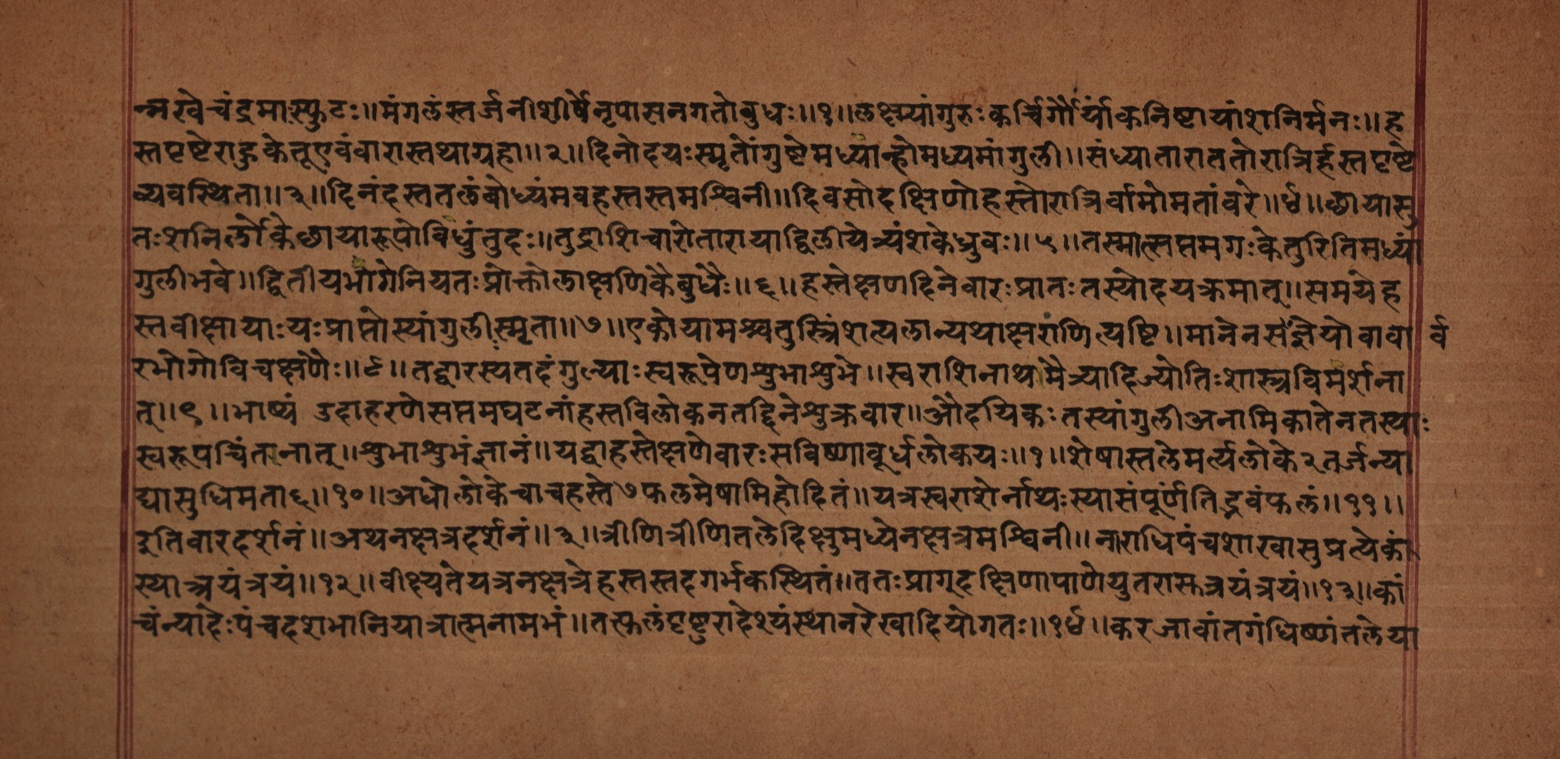
Hastasaṃjīvana, an 18th-century palmistry treatise from Maharashtra, maps the planets, days, and even the five tastes onto the fingers of the hand — a complete divination system in the palm.

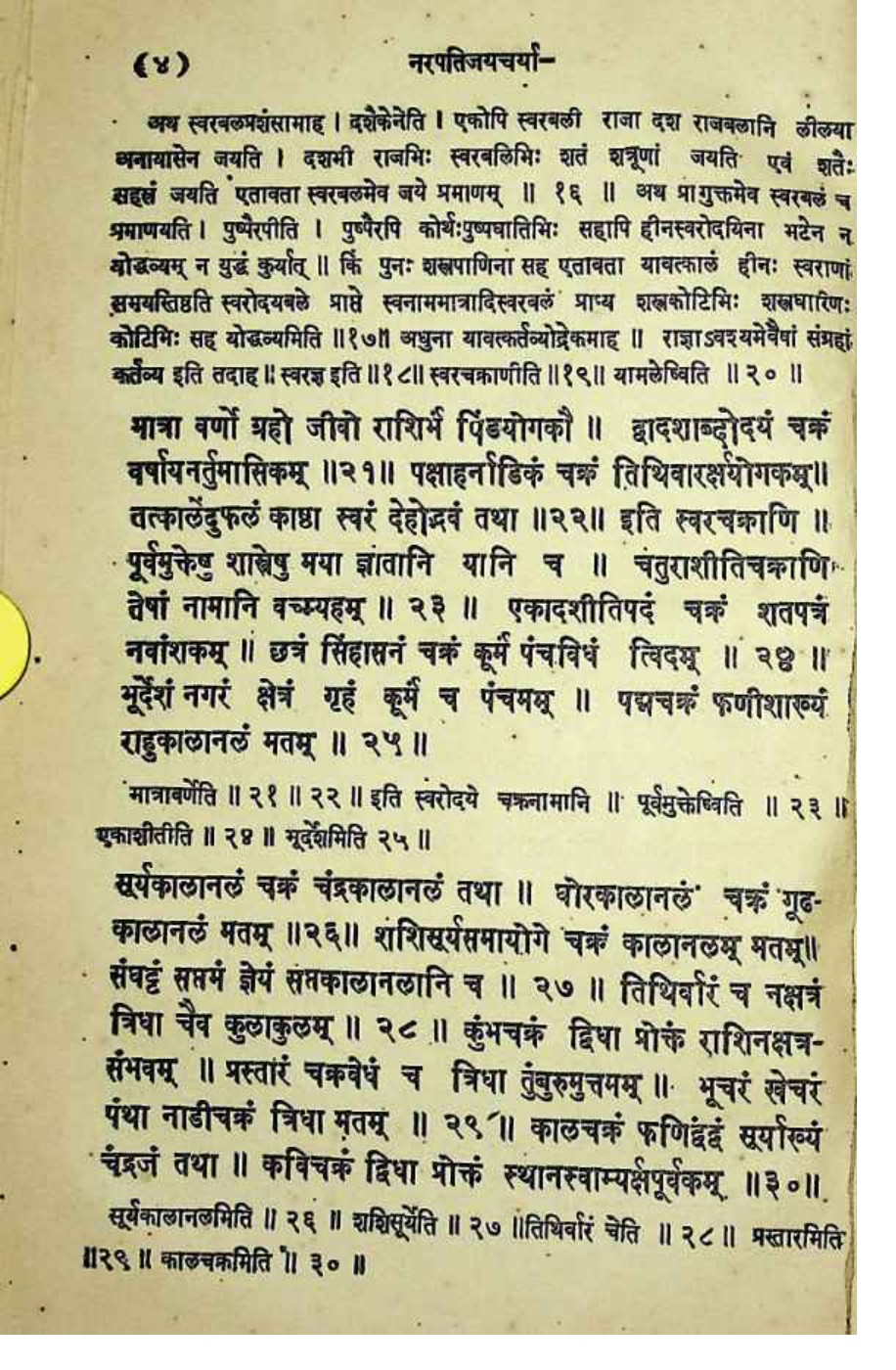
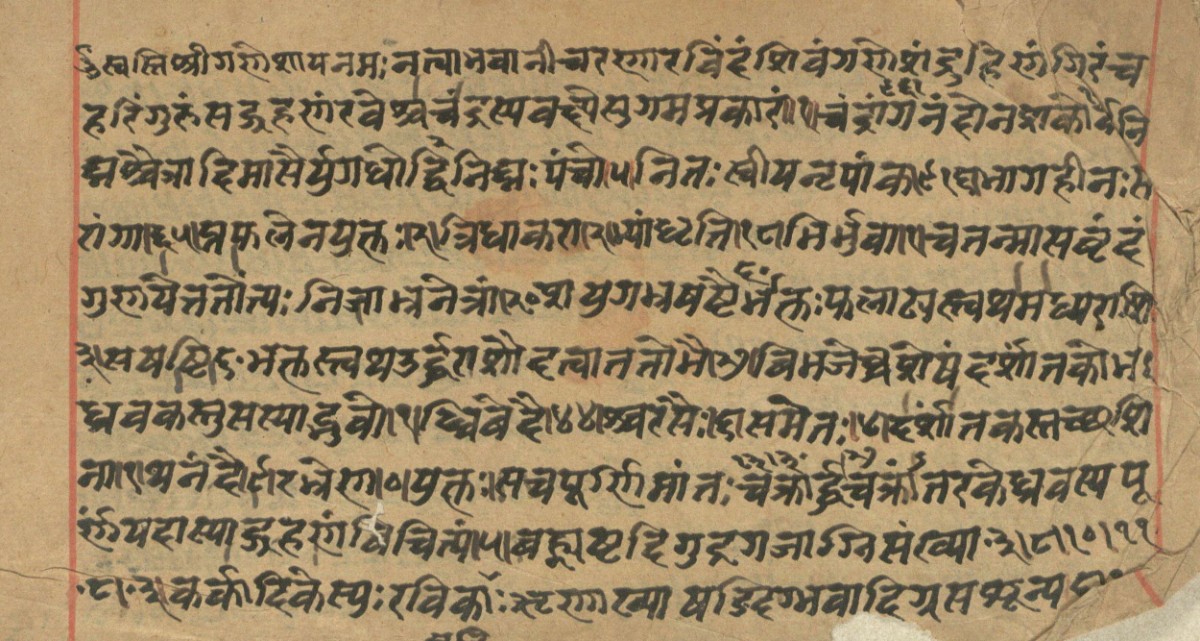
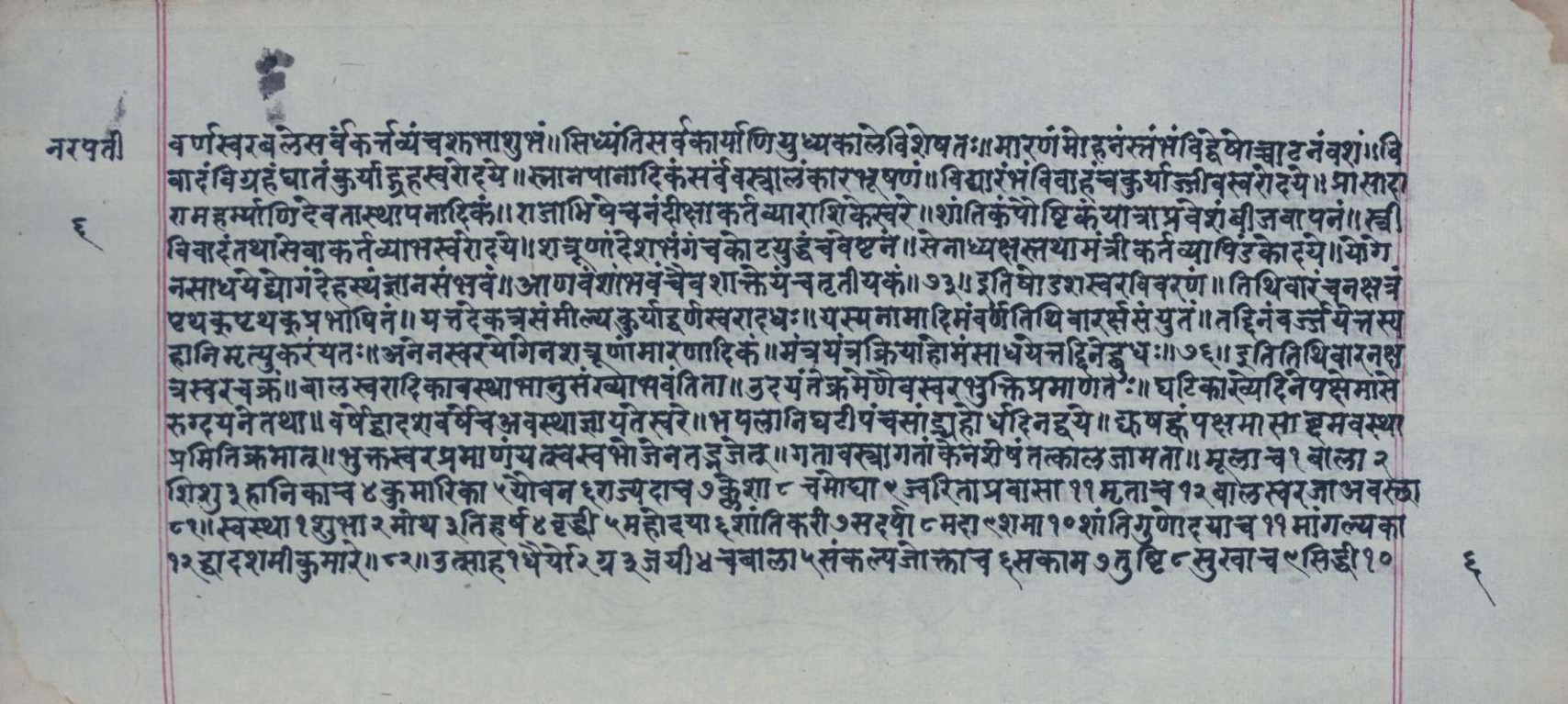
The Narapatijayacaryā teaches svarodaya — reading victory or defeat from the five vowels a, i, u, e, o — and warns that a king without a vowel-knower flees even with a mighty army.

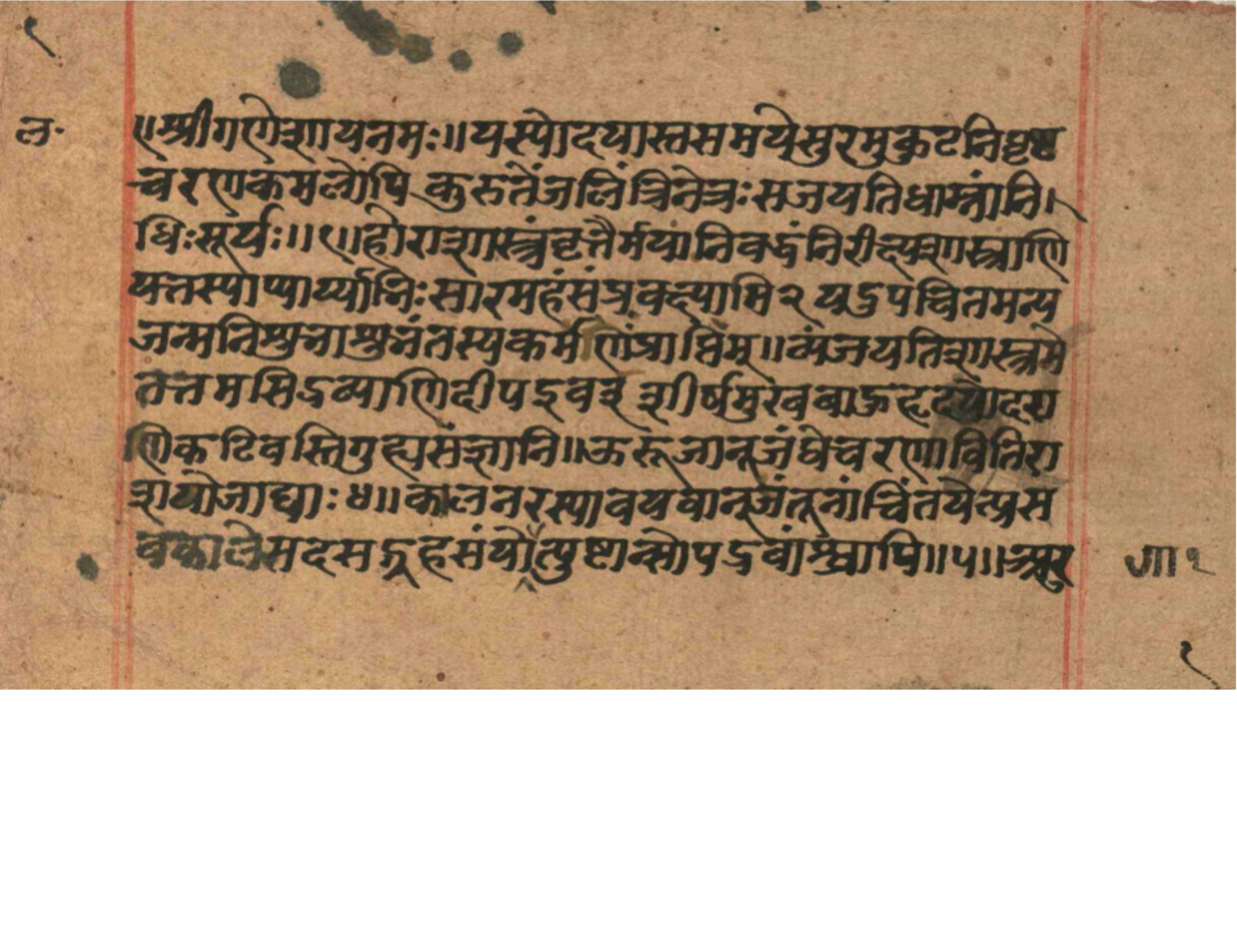
The Laghujātaka maps the zodiac onto the human body — Aries is the head, Pisces the feet — and lays out the twelve signs, their planets, and the divisions of a birth chart.

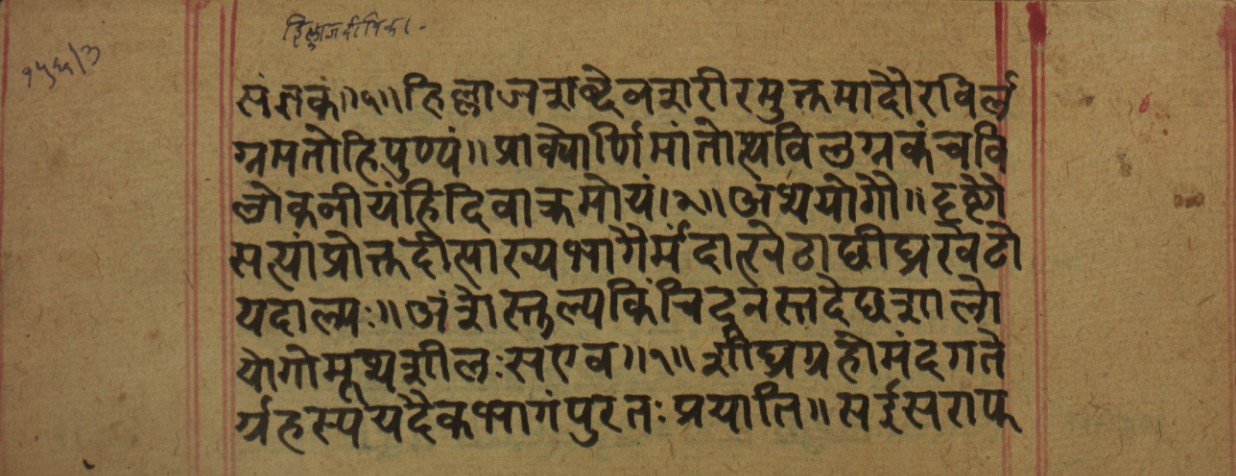
The Hillājadīpikā computes lifespan from planetary positions at full moon — the hillāja method — and ranks longevity into six grades from excellent to utterly destroyed.

Grahaṇagaṇita is the eclipse branch of Indian astronomy — a short treatise of verses for computing intercalary months, mean longitudes, and the contact and duration of a lunar eclipse.

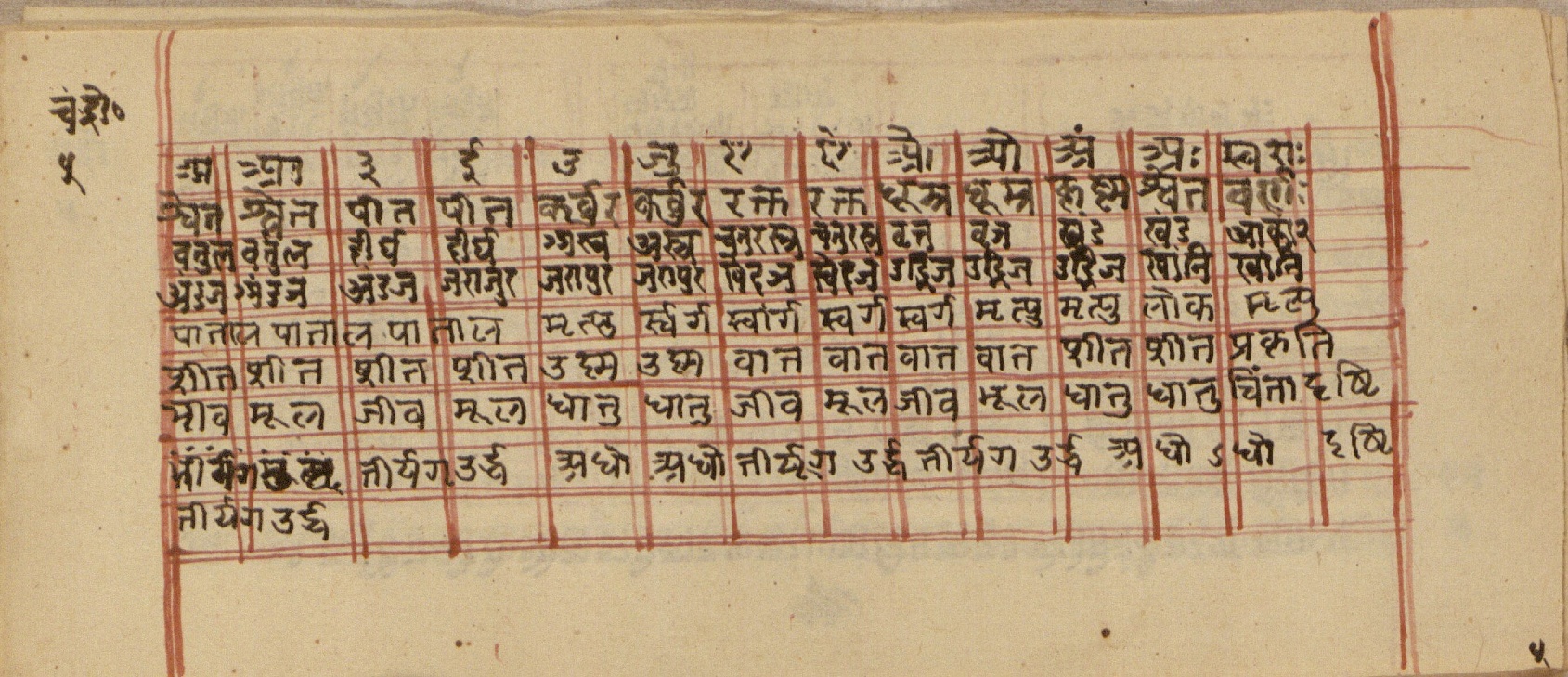
Candronmīlana maps Sanskrit letters onto shapes, colors, elements, and the body — a system where every syllable has a geometry and every sound a place in the universe.

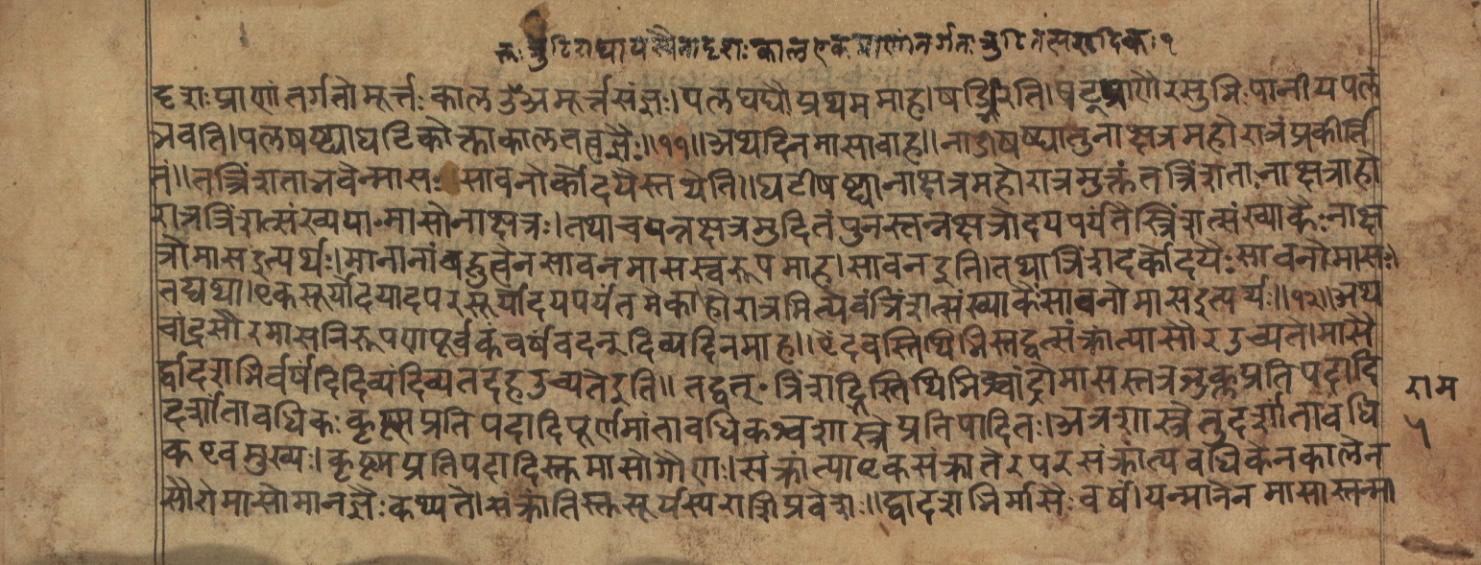
A commentary on the Sūryasiddhānta walks from six breaths making a pala to a mahāyuga of 4,320,000 years — one continuous system for measuring time, from the body to the cosmos.

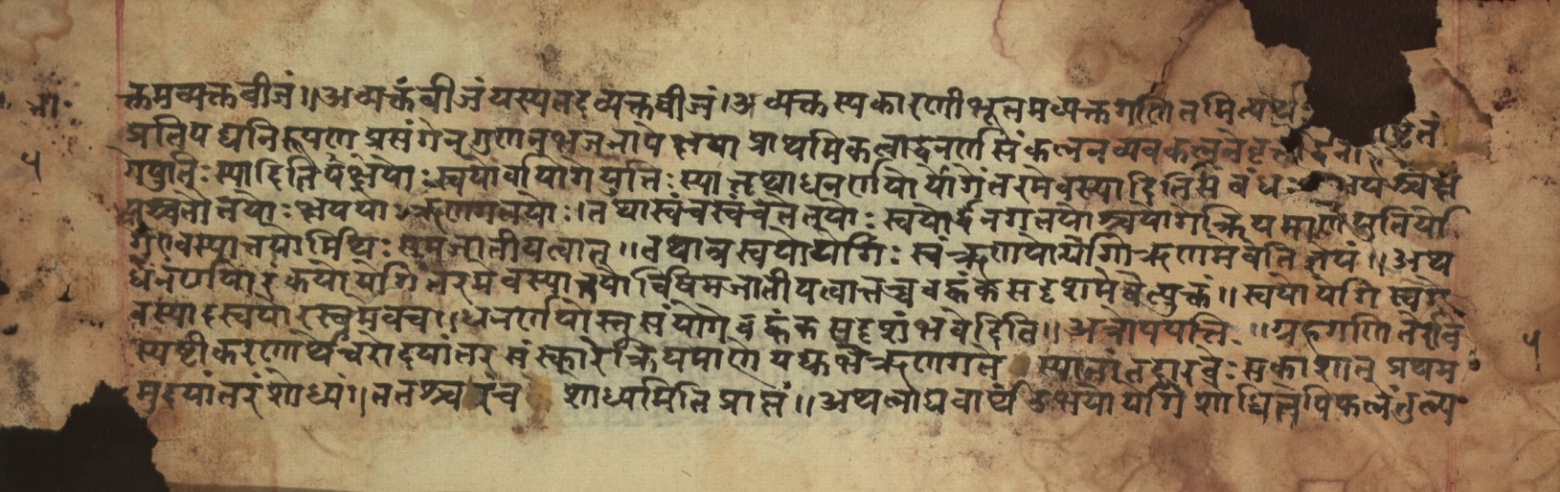
A Sanskrit commentary on algebra works through positive and negative quantities, zero, and division by zero — naming the result of dividing by zero 'ananta,' the infinite.