AyurvedaAugust 16, 2026
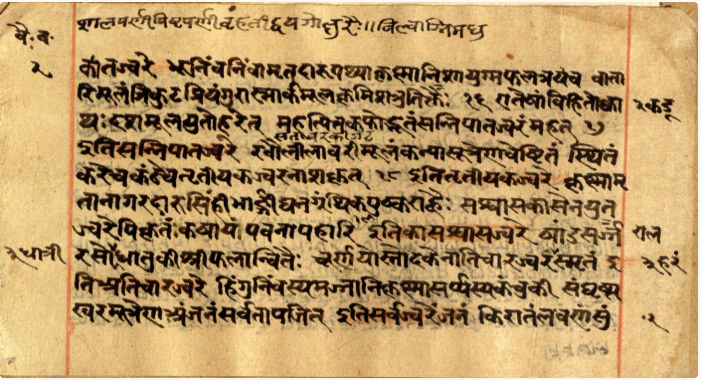
Vaidyavallabha: A Fever Formulary by a Poet-Physician
Vaidyavallabha: fever formulas, universal remedies, and a physician-poet's lineage preserved in 1850.

Every finding and preservation effort published on Gyan Bhandaar.
Vaidyavallabha: fever formulas, universal remedies, and a physician-poet's lineage preserved in 1850.
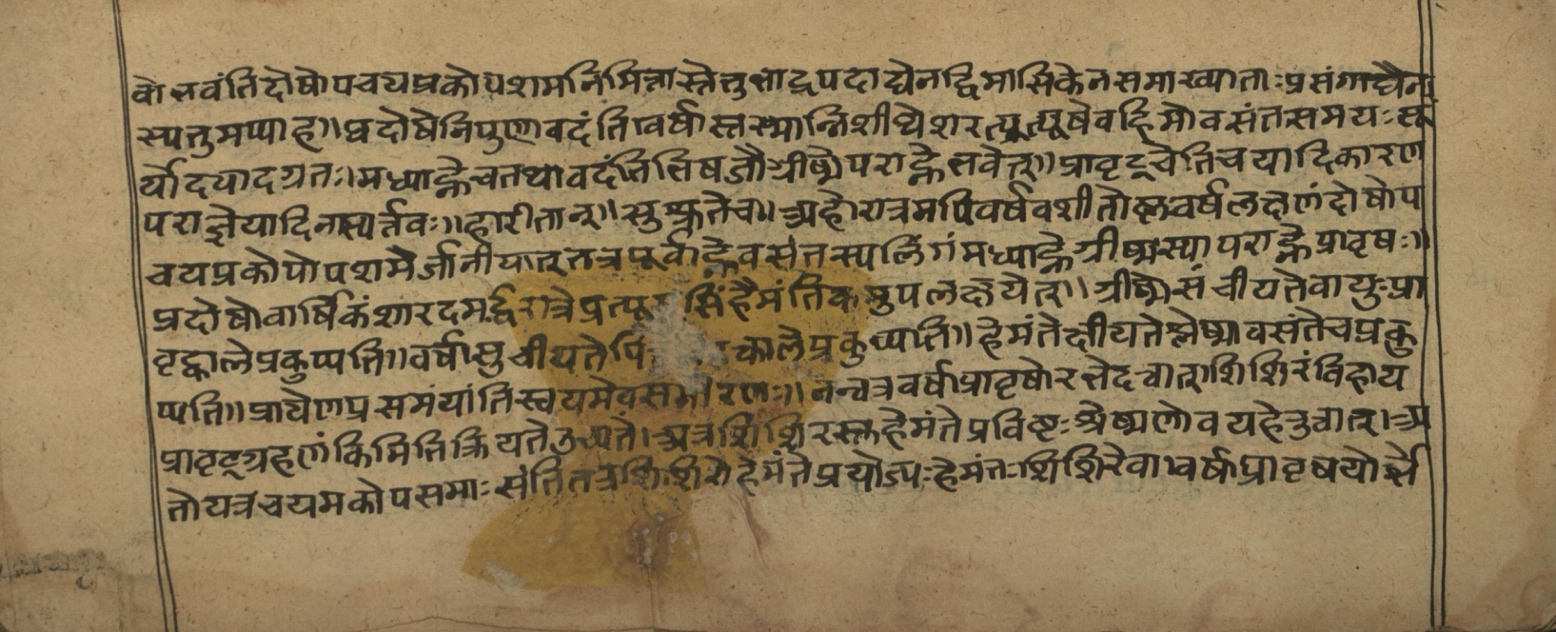
Kāśīrāma's Vaidyasarvasva maps every season to a doṣa — vāta in the rains, pitta in autumn, kapha in spring — with food, drink, and water rules for each.
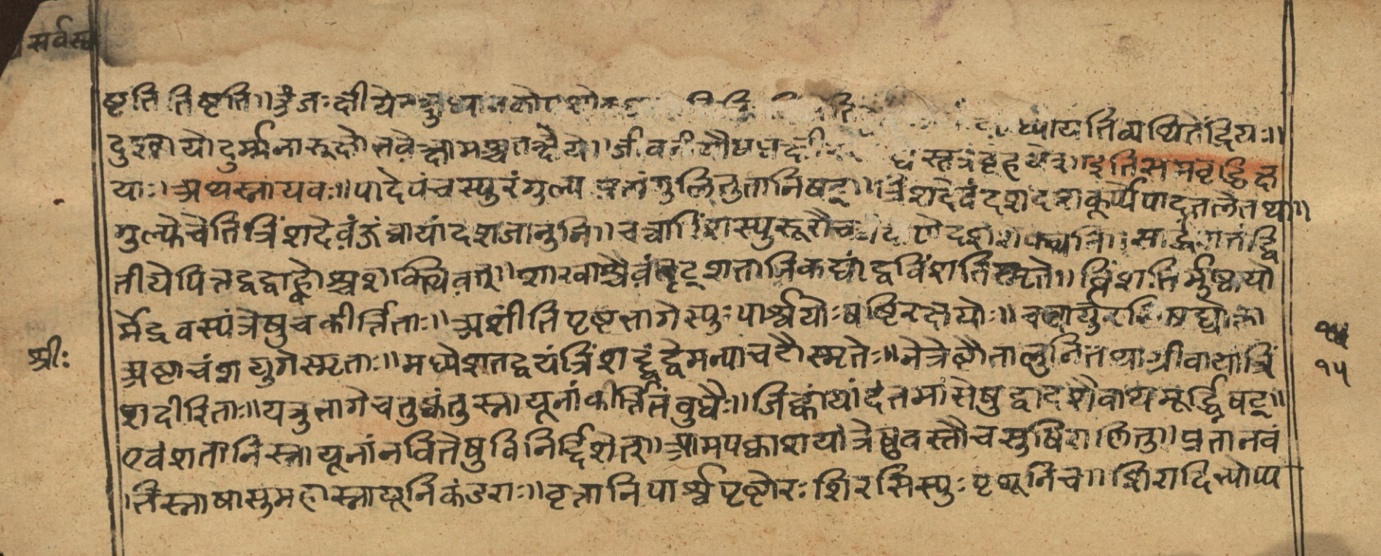
Kāśīrāma's Vaidyasarvasva numbers the body — 900 snāyu, 210 sandhi, 700 srotas — and catalogs honey's four varieties and twenty drug qualities.
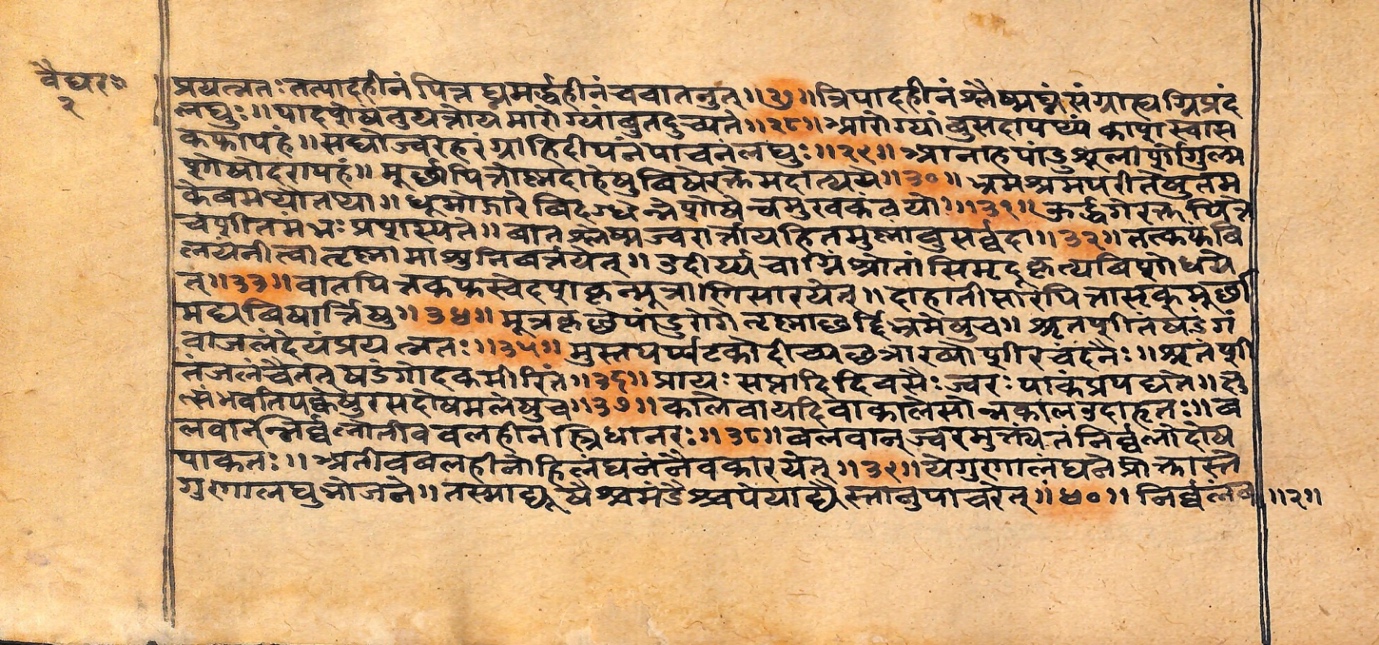
Vaidyarahasya: water therapy, fever fasting, and a 17th-century compendium that absorbed syphilis into Ayurvedic medicine.
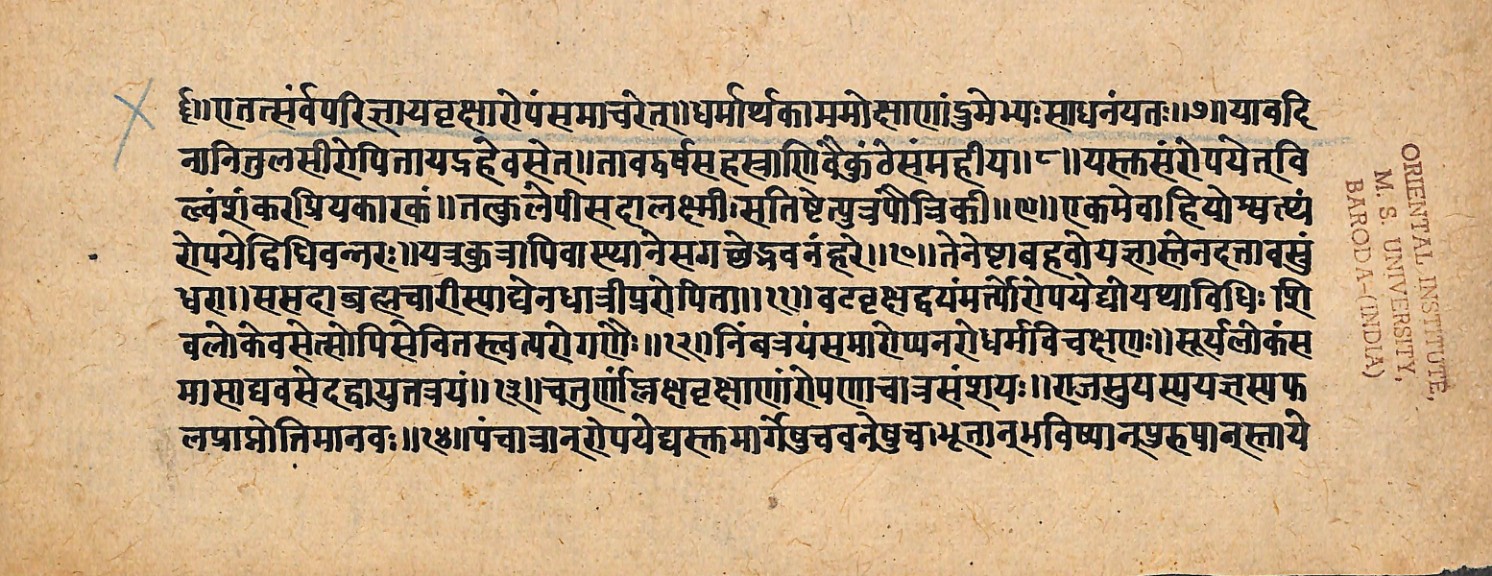
Planting for merit and prosperity: trees as dharma, site selection, water-finding, and applying Ayurvedic healing to gardens from a medieval Sanskrit treatise.
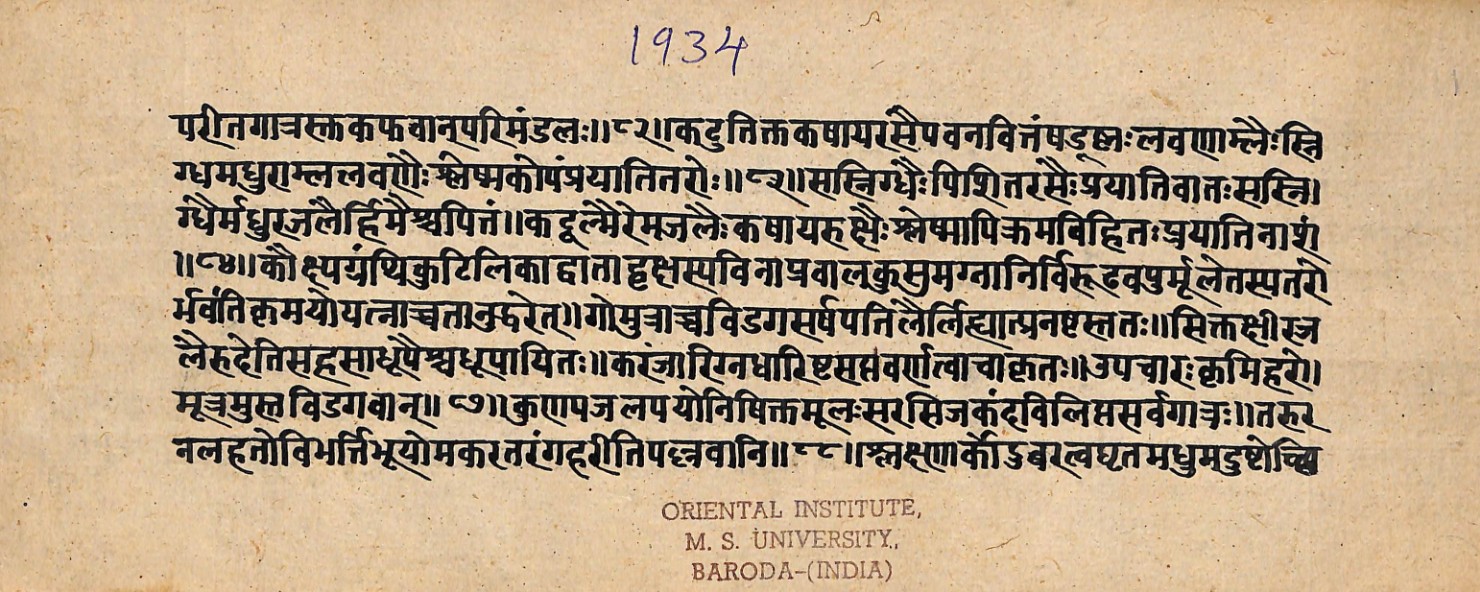
Upavanavinoda treats trees like patients — vāta, pitta, and kapha afflict them too — with cow's-urine pastes, frog-water for barren trees, and ghee for wounds.
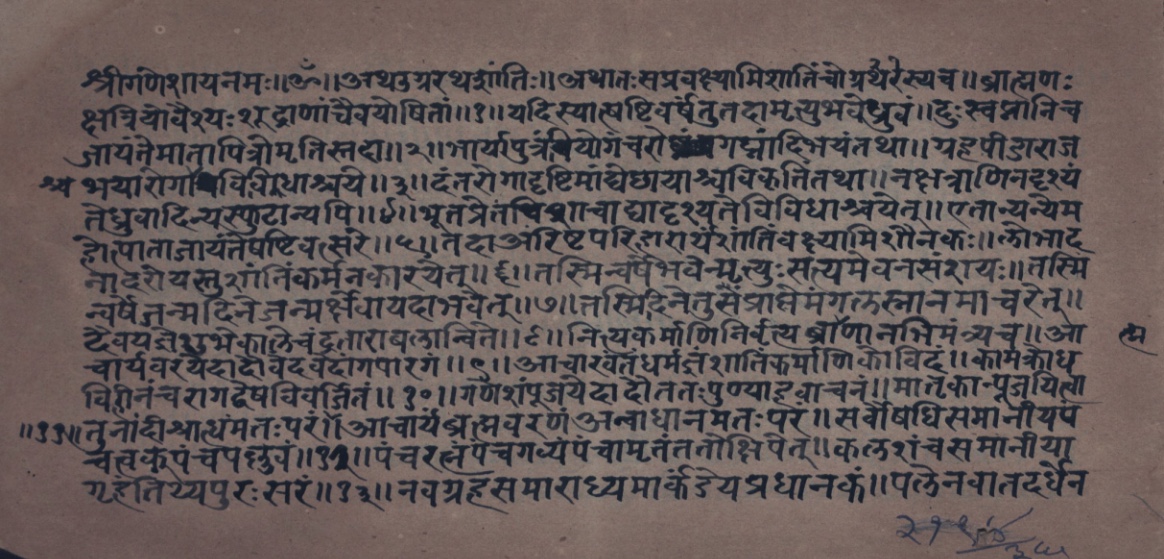
Ugrarathaśānti pacifies the dangers of the sixtieth year through ritual centered on Mārkaṇḍeya, the sage who conquered death.
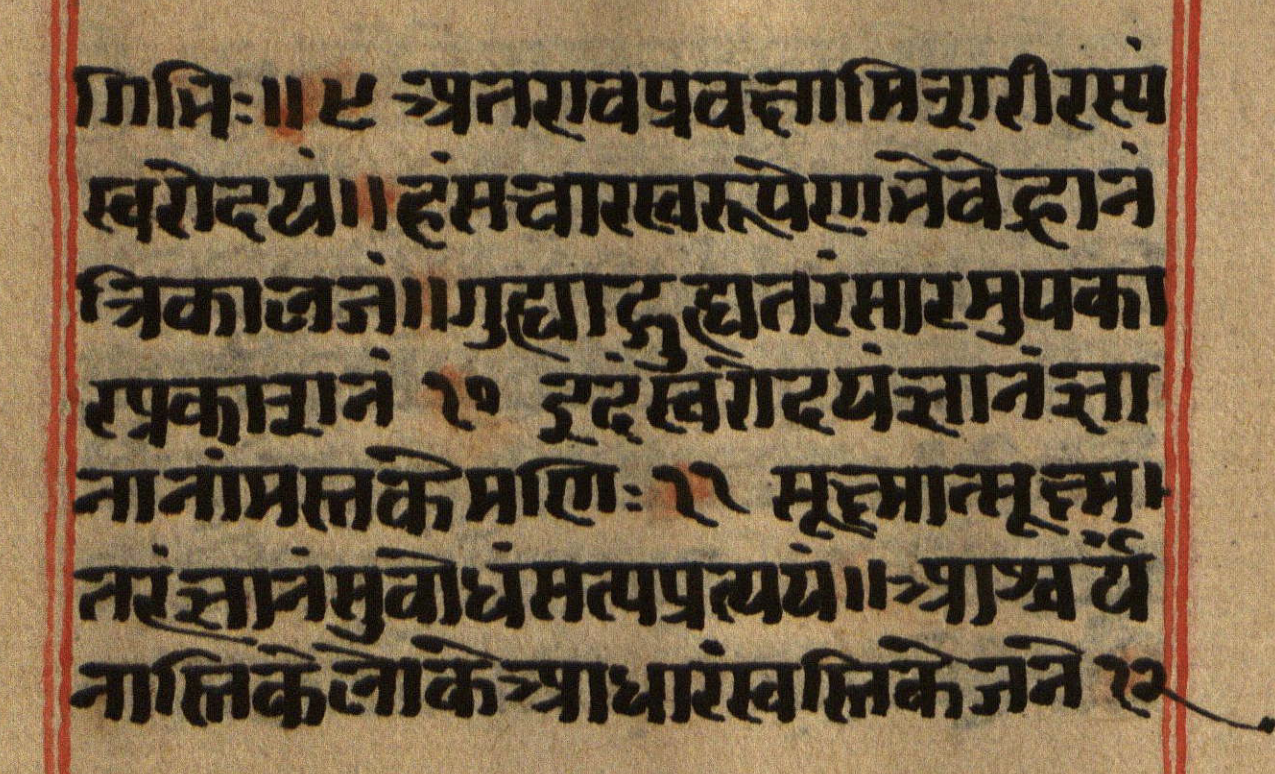
Svarodaya teaches breath as destiny — the science of nāḍīs, tattvas, and auspicious moments, transcending the planets through knowledge of the body's inner clock.
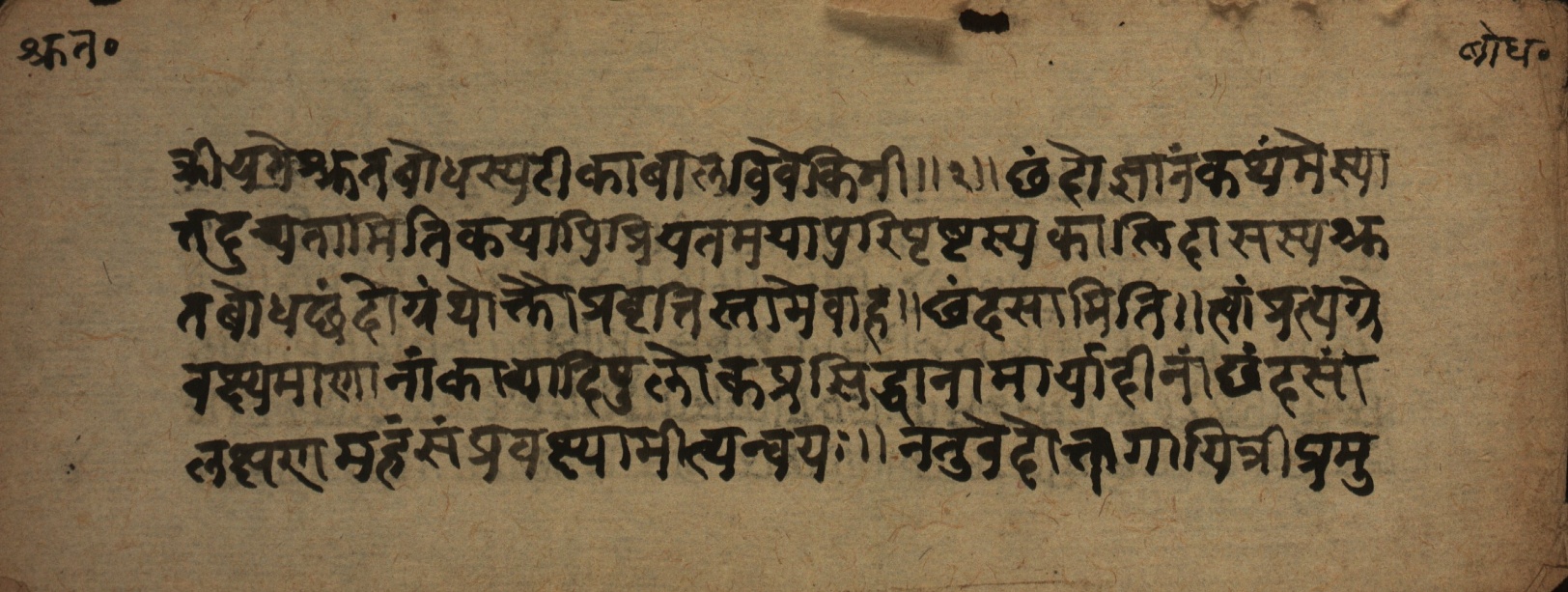
The Śrutabodha is a short Sanskrit treatise on prosody attributed to Kālidāsa — its name means 'understanding by hearing,' because the characteristics of met...
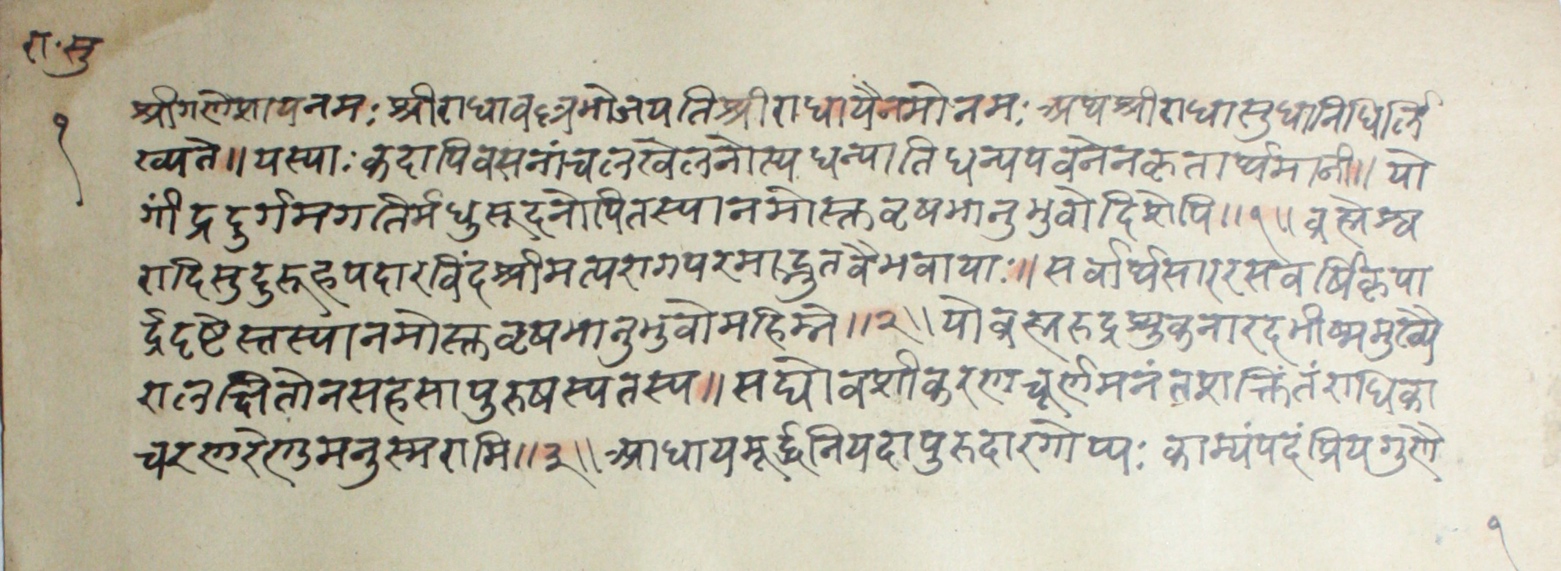
This devotional text celebrates Rādhā as the essence of divine love and rasa, with elaborate prayers for her grace and service in the groves of Vṛndāvana.
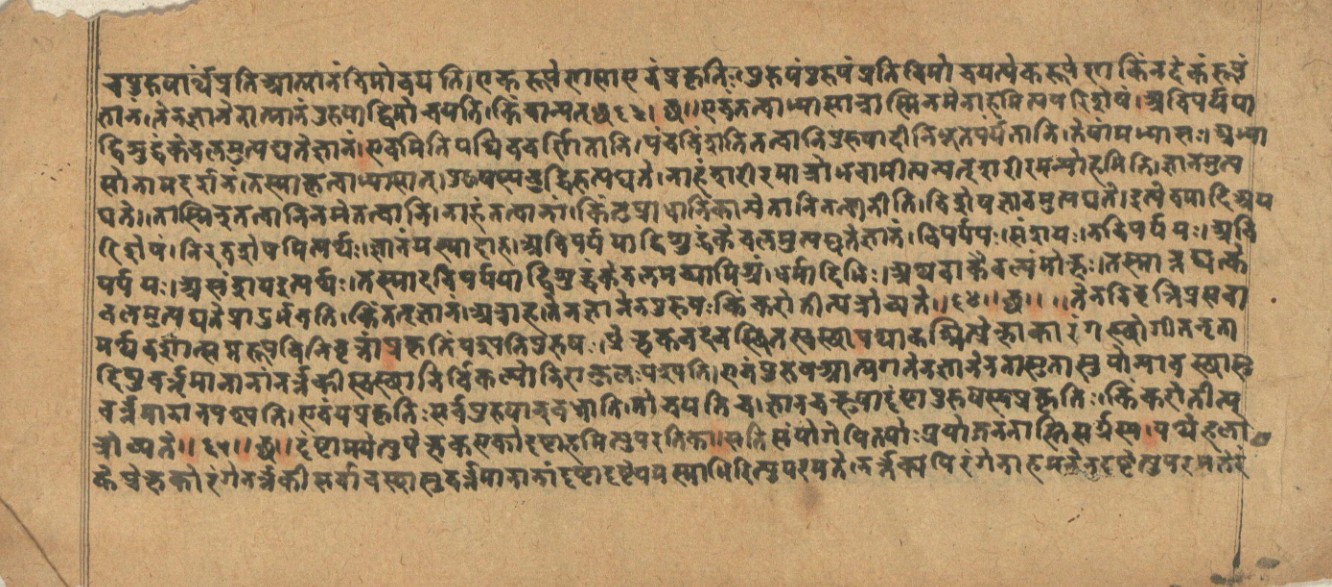
Prakṛti the dancer performs until Puruṣa truly sees her, then stops — the Sāṃkhya path to liberation through knowledge of the twenty-five principles.
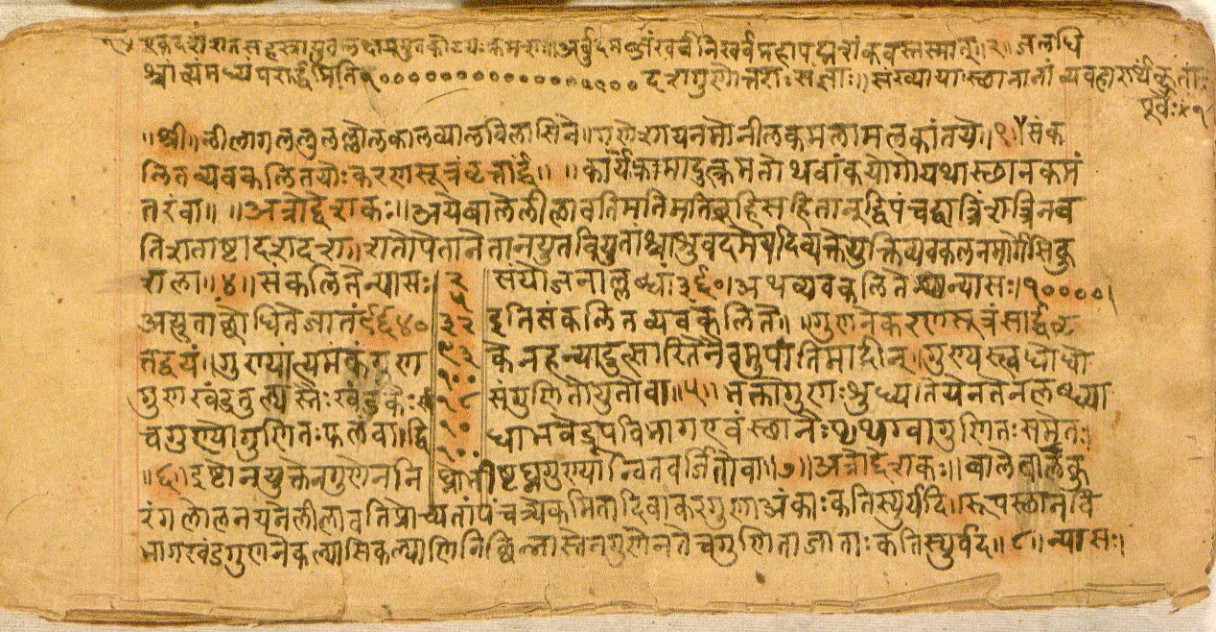
The Līlāvatī opens with poetic names for the powers of ten, then teaches arithmetic through multiple methods and practical problems.