KavyaJuly 31, 2026
Śrutabodha: Kālidāsa's Prosody, Explained for Beginners
The Śrutabodha is a short Sanskrit treatise on prosody attributed to Kālidāsa — its name means 'understanding by hearing,' because the characteristics of met...

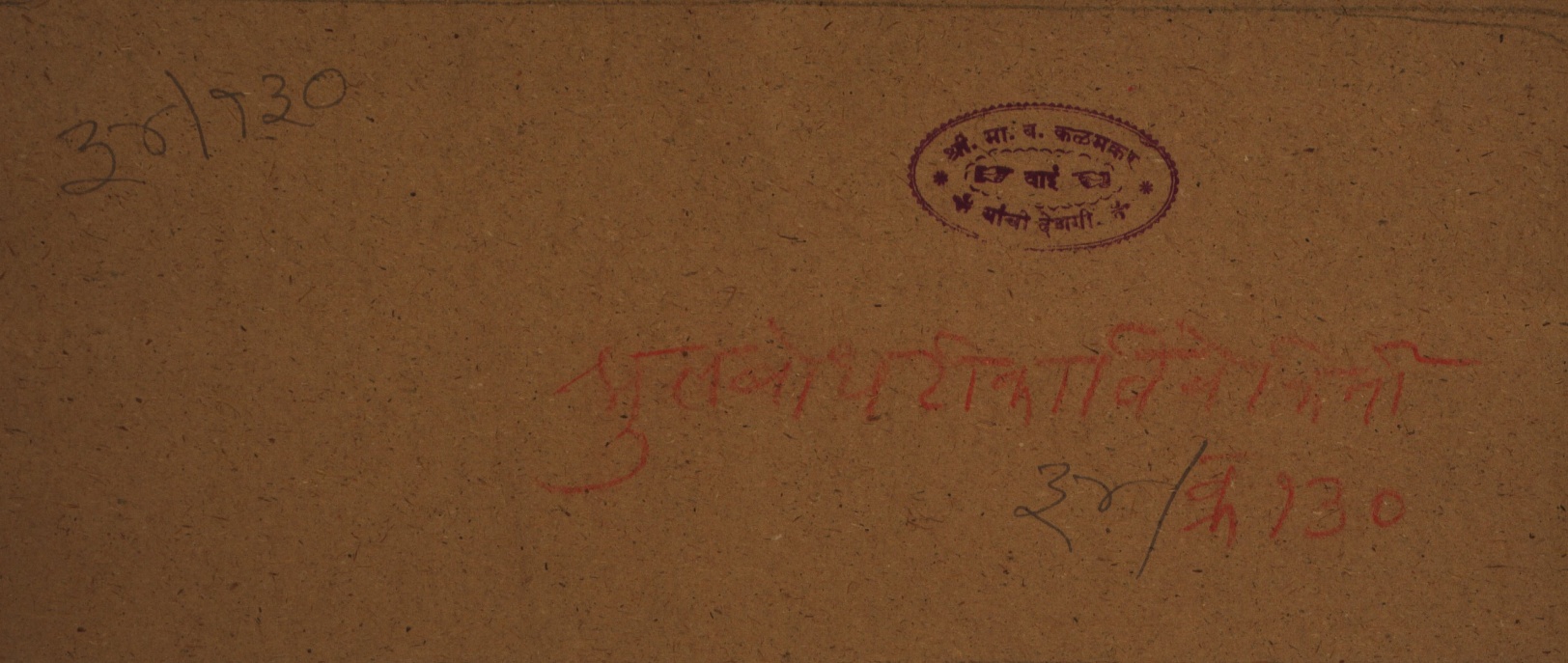
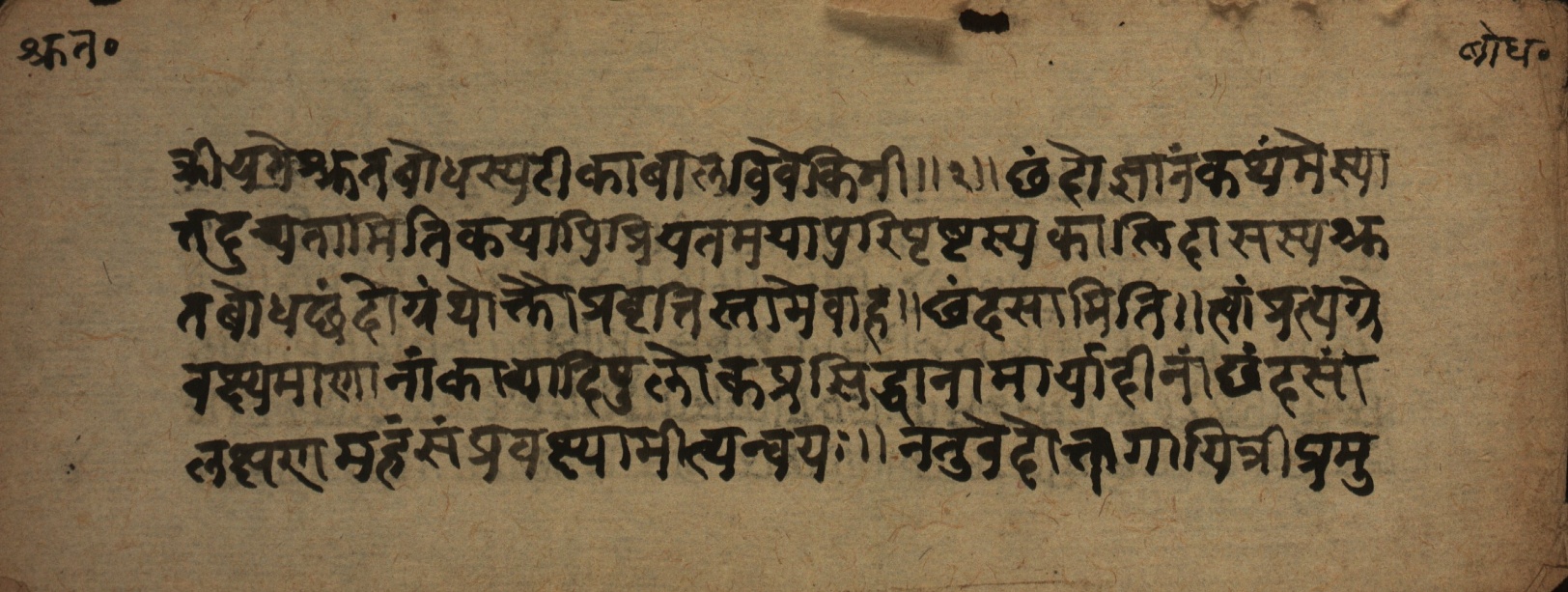
This manuscript presents a Sanskrit commentary (ṭīkā) titled *Śrutabodhaṭīkā-vivecini* or *Bālavivekinī*, composed by Śrī Mā Bā Kaḷamkara of Wai, which elucidates Kālidāsa's metrical treatise *Śrutabodha*. The text systematically expounds the rules of Sanskrit prosody (chandas), particularly the characteristics of guru and laghu syllables, incorporating paribhāṣā (metalinguistic rules) regarding conjuncts, long vowels, anusvāra, visarga, and optional prosodic weight at verse-end. The commentary demonstrates sophisticated engagement with earlier authorities including Pravācārya, Śaṅkarācārya, Nārāyaṇabhaṭṭa, and works such as the *Kumārasaṃbhava* and *Māghakāvya*, while explicitly positioning itself as a pedagogical tool (*bālavivekinī*) for initiating students into the technical discernment required for poetic composition.