DharmashastraAugust 04, 2026
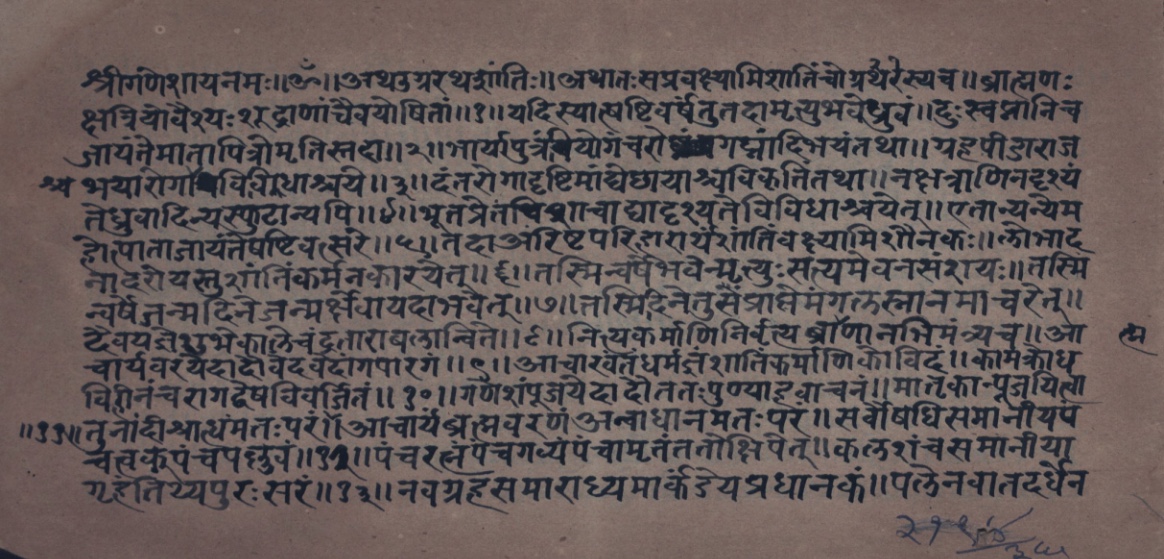
Ugrarathaśānti: Taming the Fierce Sixtieth Year
Ugrarathaśānti pacifies the dangers of the sixtieth year through ritual centered on Mārkaṇḍeya, the sage who conquered death.

10 articles filed under Dharmashastra.
Ugrarathaśānti pacifies the dangers of the sixtieth year through ritual centered on Mārkaṇḍeya, the sage who conquered death.
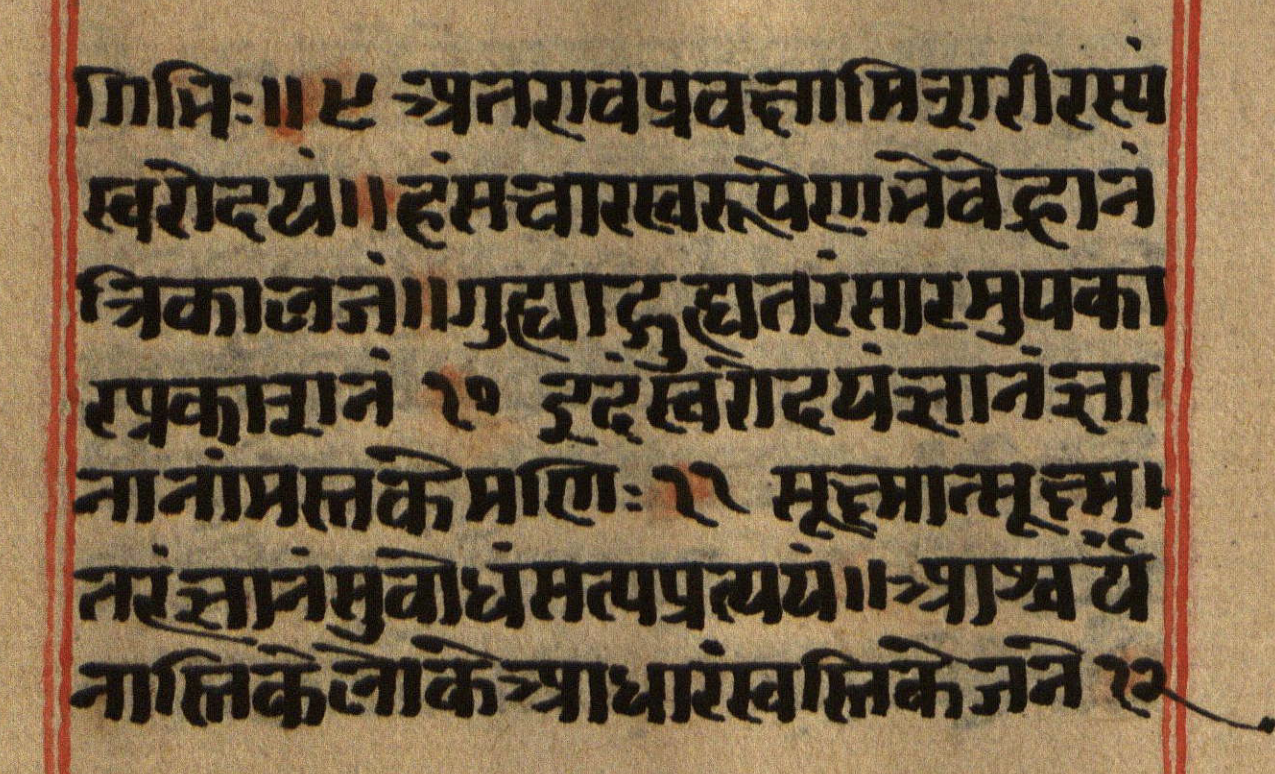
Svarodaya teaches breath as destiny — the science of nāḍīs, tattvas, and auspicious moments, transcending the planets through knowledge of the body's inner clock.
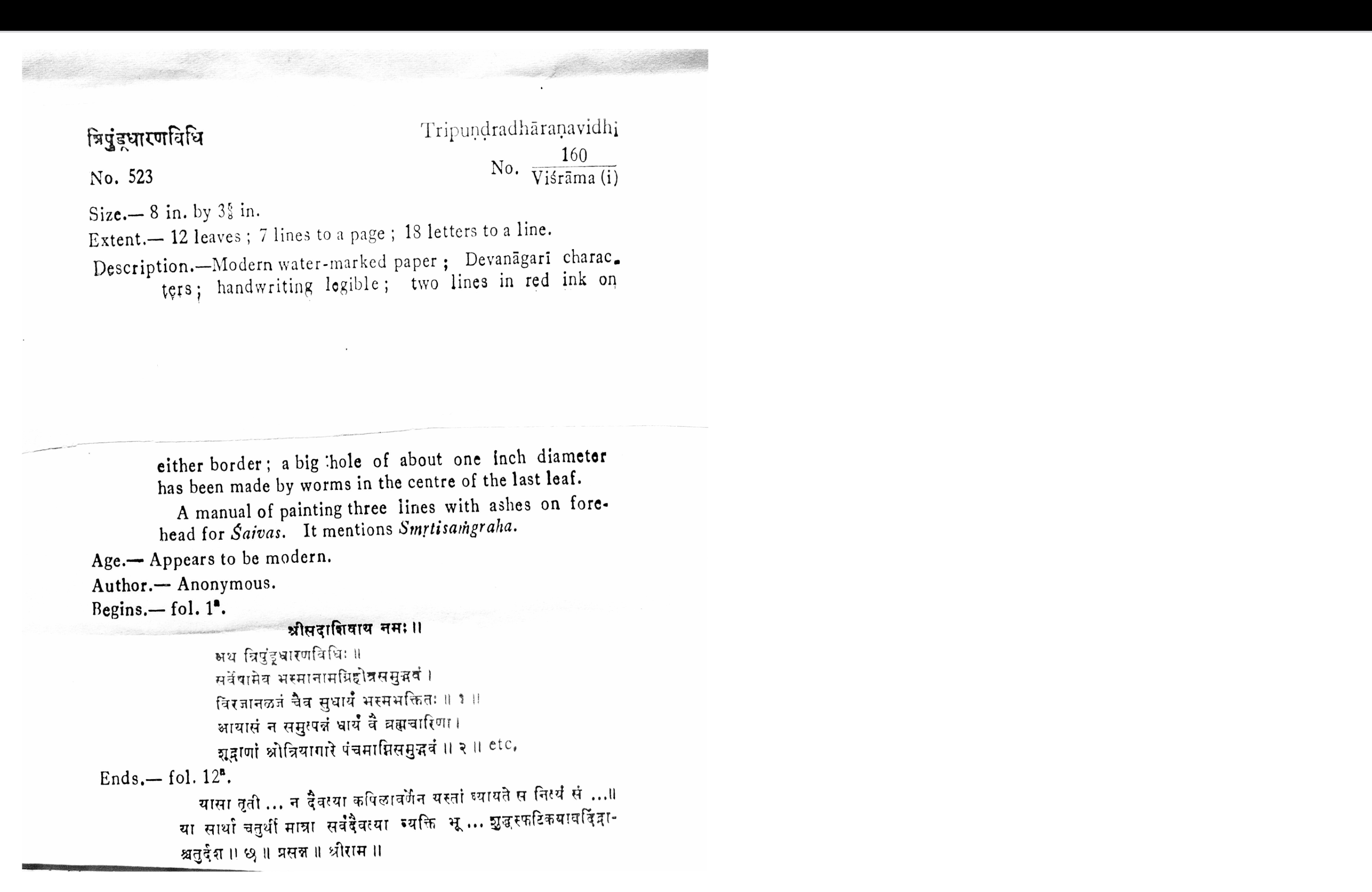
A ritual manual of purification — the hierarchy of sacred ash, the tripuṇḍra mark and its Om-syllable meaning, and a bath meant to unite the outward body with an inward meditation.
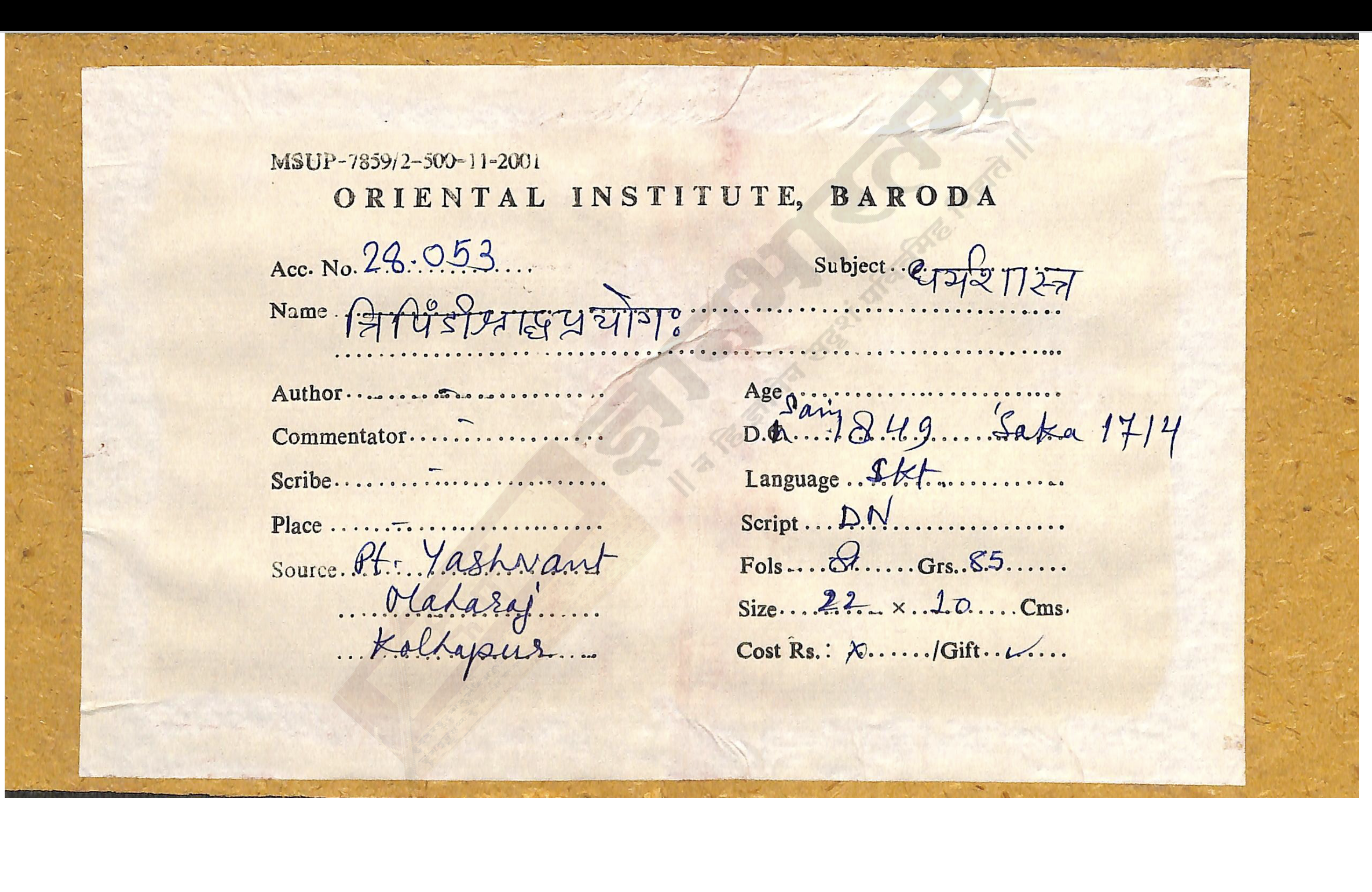
Tripiṇḍīśrāddhaprayoga is a manual of the ancestral rites — the three piṇḍas, the Kṣipiṇḍī, and the words spoken over each rice-ball for the departed.
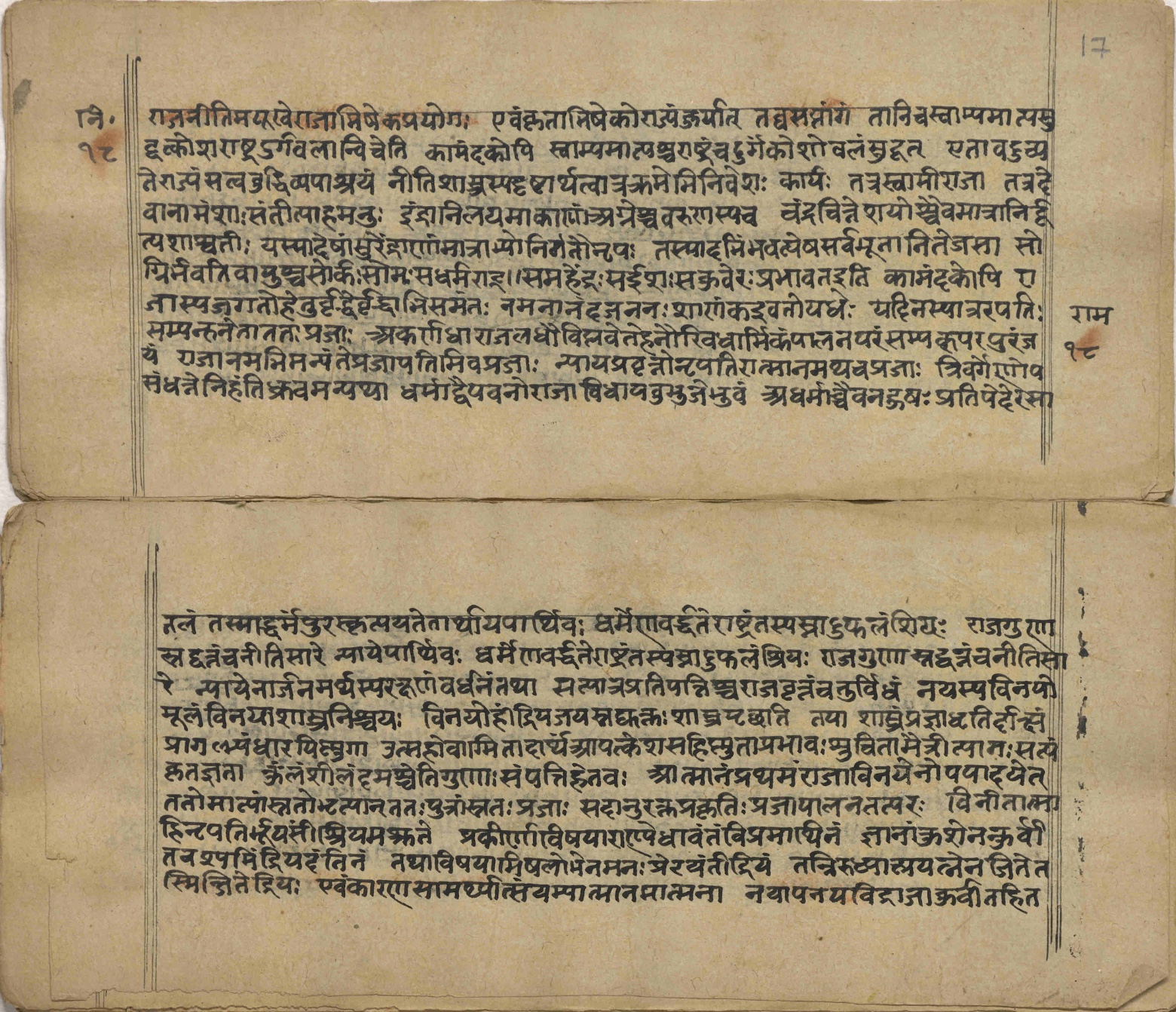
A second copy of the Nītimayūkha cites Kauṭilya on the seven constituents of kingdom and the internal enemies of the senses that undo rulers.
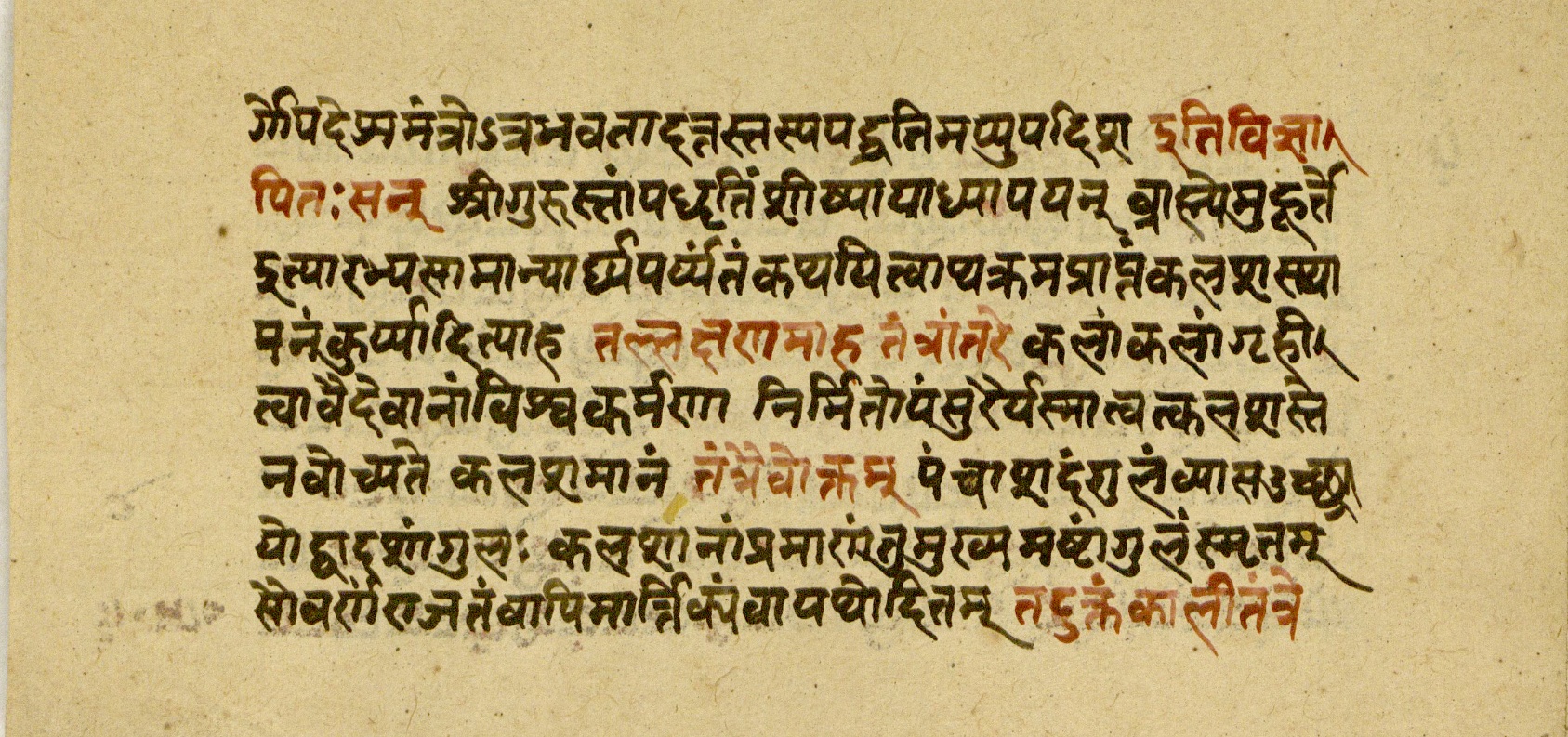
Gandhottamanirṇaya defends the kalasha and tantric ritual through theological argument, proving the Āgamas are consistent with the Vedas.
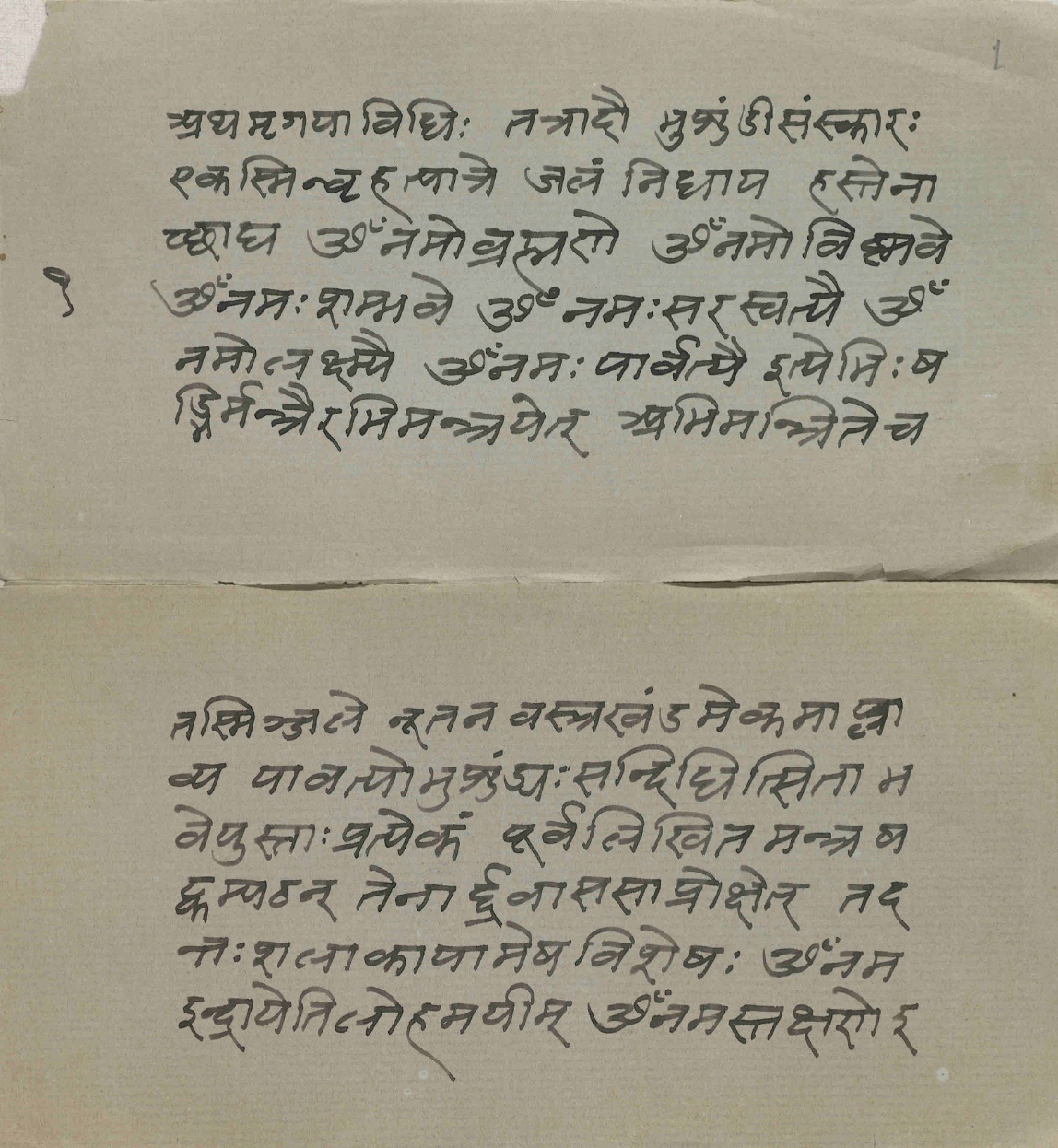
A hunting manual from the dharmashastra tradition shows how mantras consecrated the gun, sanctified the kill, and purified the meat on the plate.
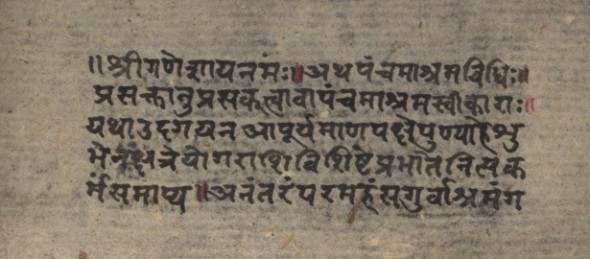
The final stage of life: timing, ritual, and the practice of complete renunciation in the fifth ashrama, where even ascetic identity dissolves.
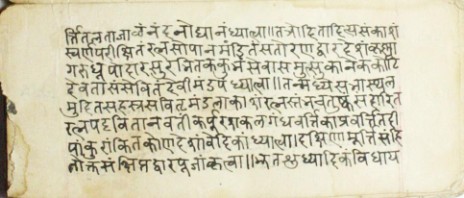
The Cakrapūjana walks through worship of the Śrī Cakra geometry step by step — from visualizing the goddess's pavilion to placing mantras on the body.
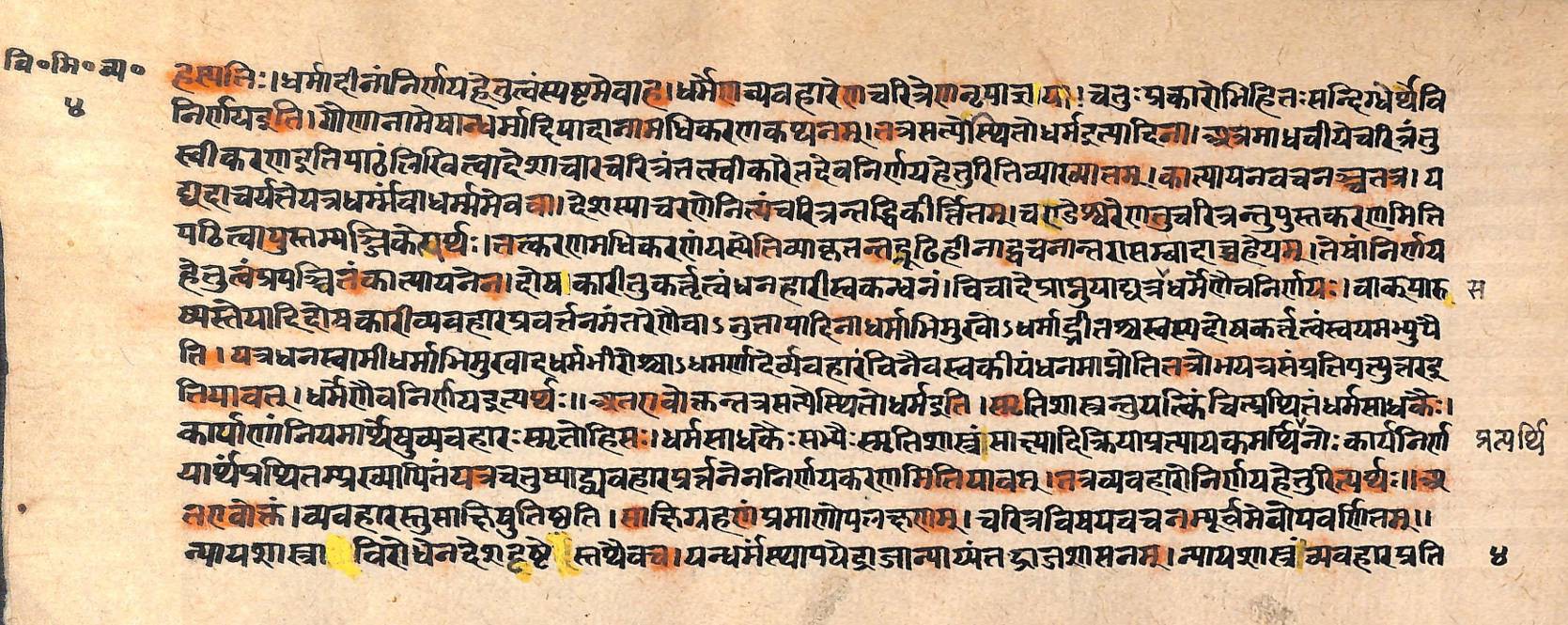
The four means of decision, witness testimony, and the machinery of court: a 17th-century legal digest organizing dharma, procedure, custom, and royal command.