AyurvedaJuly 21, 2026
Aśvaratnaparīkṣā: When Śiva Sells Illusory Horses
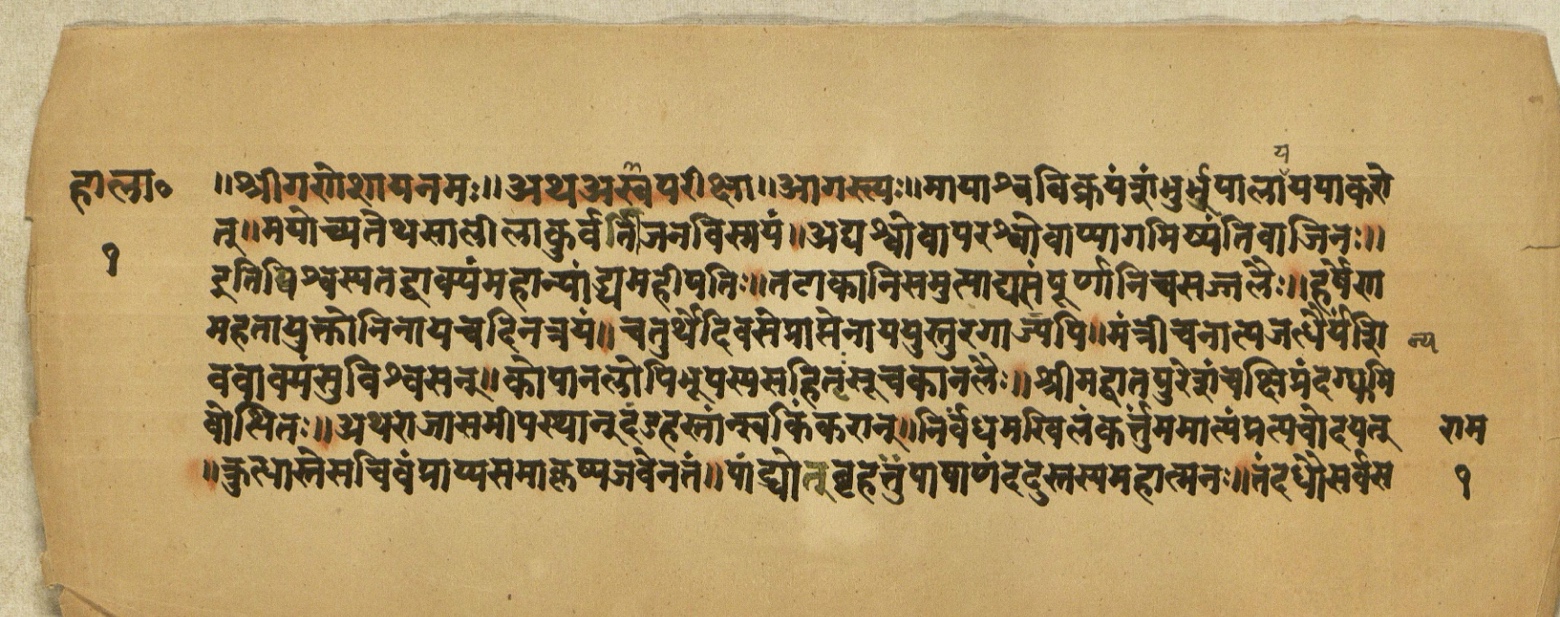
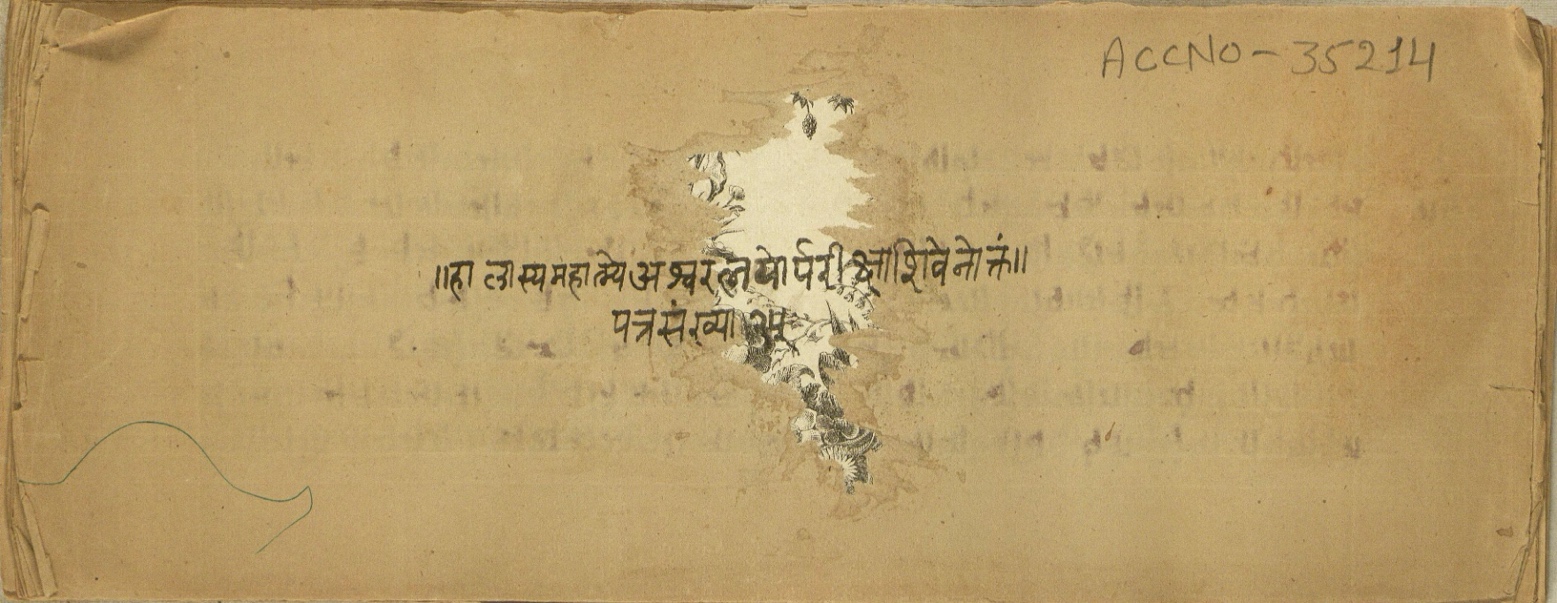
The Aśvaratnaparīkṣā — the examination of the jewel among horses — starts as a story, not a manuall. It opens inside the Hālāsya Māhātmya, with Śiva himself "en

This Sanskrit manuscript fragment presents a vivid narrative from a medieval Indic literary or religious text, likely belonging to the *Purāṇic* or *Śaiva* tradition. The passage describes a royal examination of horses (*aśvalakṣaṇaparīkṣā*), intertwined with divine intervention by Śiva, who manifests supernatural steeds and attendant *gaṇas* (celestial beings). Notable for its rich mythological imagery, the text blends courtly drama with theophanic elements, illustrating the interplay between kingship, devotion (*bhakti*), and cosmic order. The use of ornate descriptions, rhythmic prose, and dialogic structure underscores its performative and didactic significance within the broader corpus of Sanskrit kāvya or stotra literature.