UpanishadApril 19, 2026
The Four Stages of Life: The Āśramopaniṣad
An ancient Upaniṣad maps the four stages of life not as theory but as practical architecture, with each stage subdivided into specific roles and duties.

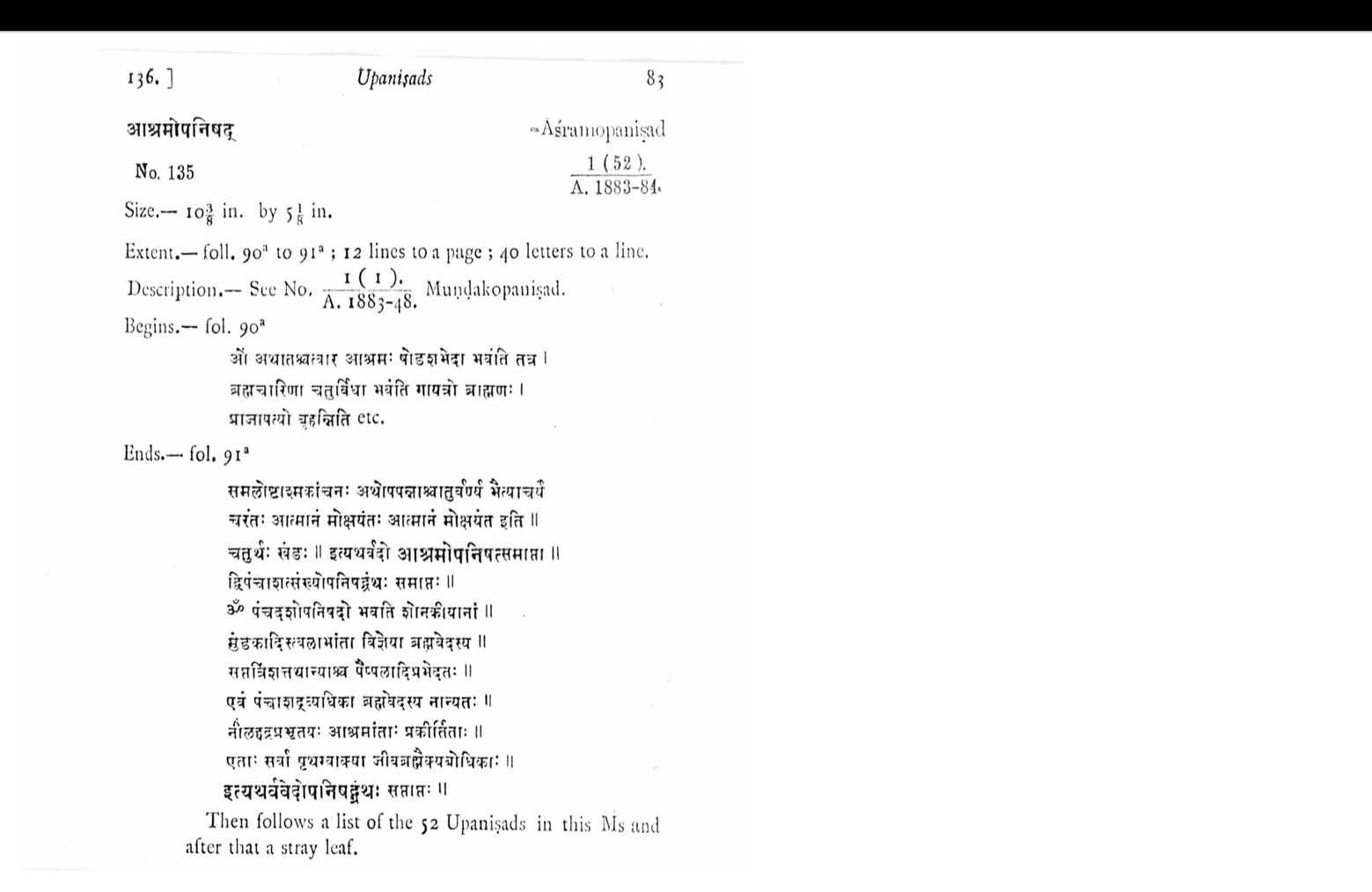
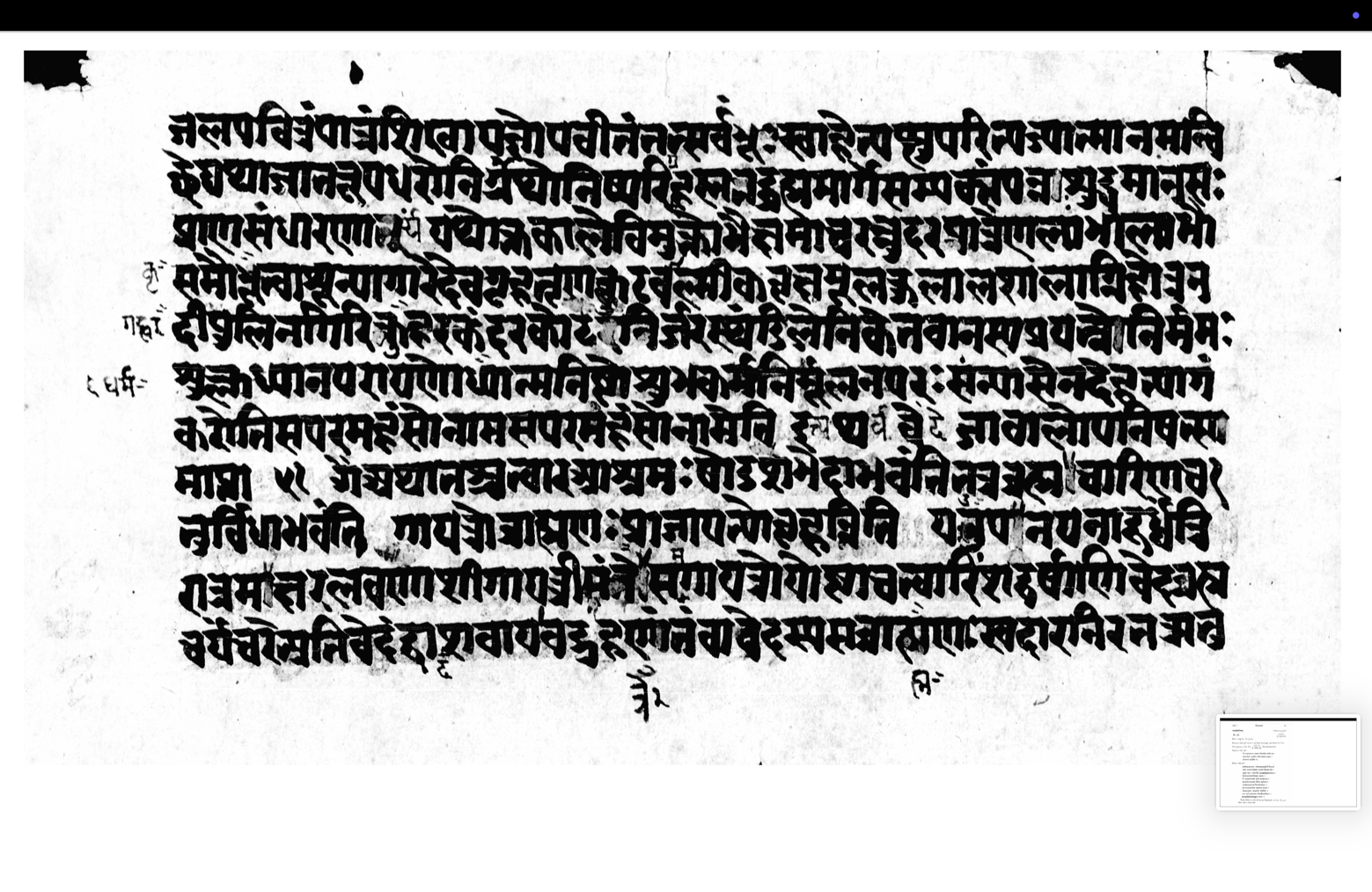
This manuscript presents a Sanskrit treatise on Hindu dharmaśāstra, specifically addressing the four āśramas (stages of life) and their subdivisions. The text systematically enumerates the four types of brahmacārins (Gāyatrī, Brāhmaṇa, Prājāpatya, and Vṛhaspati), four gṛhasthas (vārtāvṛtti, śālīna, yāyāvara, and ghorācārika), four vānaprasthas, and four bhikṣus, detailing their respective duties and characteristics. Notably, the manuscript exhibits significant textual corruption and contains substantial interpolated passages in Bengali script, particularly in its latter portions, which appear to reflect later devotional or sectarian additions. The presence of repeated phrases such as 'kṛṣṇābdasaṃskarttini' and 'niścita aṣṭāyāho' suggests either scribal error, ritual formulae, or possible cryptographic encoding. The text's value lies in its preservation of variant readings on āśrama classification, offering comparative material for scholars studying the evolution of dharma literature and regional manuscript traditions.