AyurvedaJuly 16, 2026
Vaidyānubhava: The Physician's Own Experience
An Ayurvedic physician's personal record of 30+ diseases and their treatments, framed in Vedantic philosophy: samsara as disease, experience as authority, geography as diagnosis.


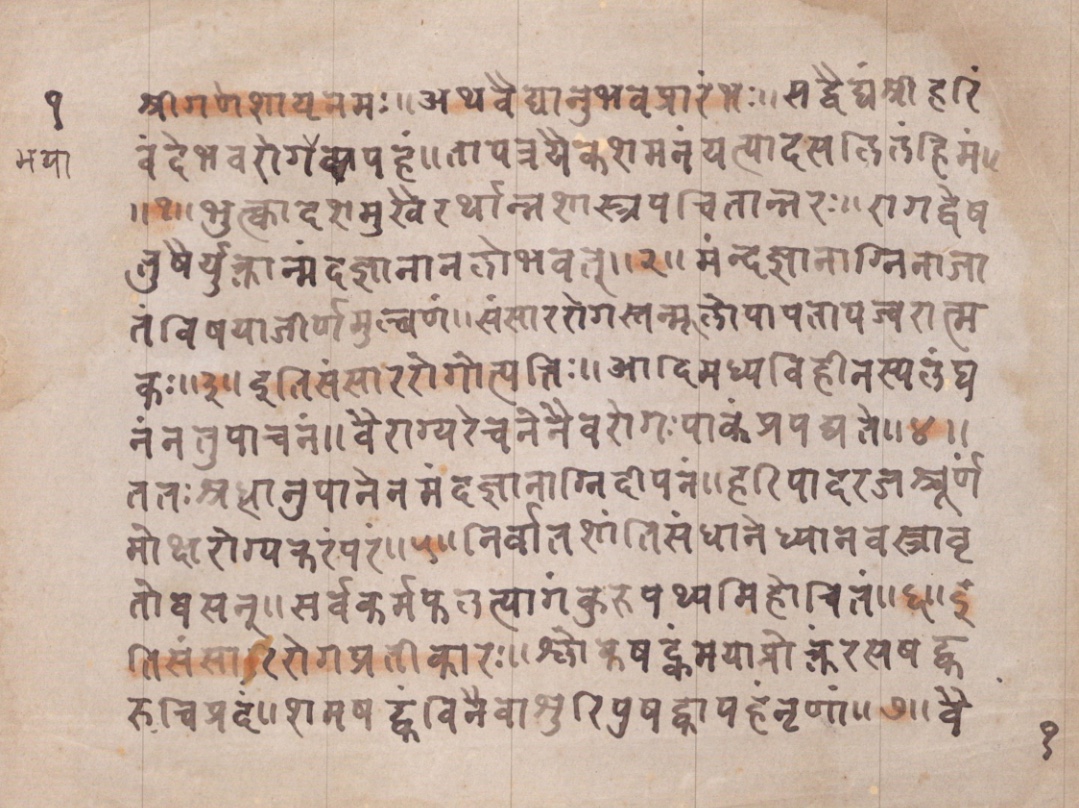
This Sanskrit medical treatise, titled *Vaidyānubhava* ("A Physician's Experience"), presents a unique syncretic approach to Āyurvedic therapeutics through the lens of Vedāntic devotion. The text systematically classifies diseases according to their etiology—temporal (*kālaja*), geographical (*deśaja*), karmic (*karmaja*), and self-inflicted (*svāparādhaja*)—while prescribing spiritual remedies alongside conventional treatments, notably advocating Hari-bhakti (devotion to Viṣṇu) as essential for curing karmic ailments. The author, identifying himself as a hereditary physician afflicted by disease from birth, employs a distinctive meta-literary strategy, framing the work as *hāsya-rasa* (comic poetry) to deflect criticism of his self-acknowledged poetic deficiencies while asserting experiential authority (*anubhava*) over scholastic knowledge alone. The manuscript preserves valuable therapeutic specifics, including nuanced *laṅghana* (fasting) protocols for different fever types and a concise *anupāna* (adjuvant) guide correlating drug vehicles with doṣic imbalances, demonstrating practical clinical adaptation of classical Āyurvedic principles.