Sanskrit
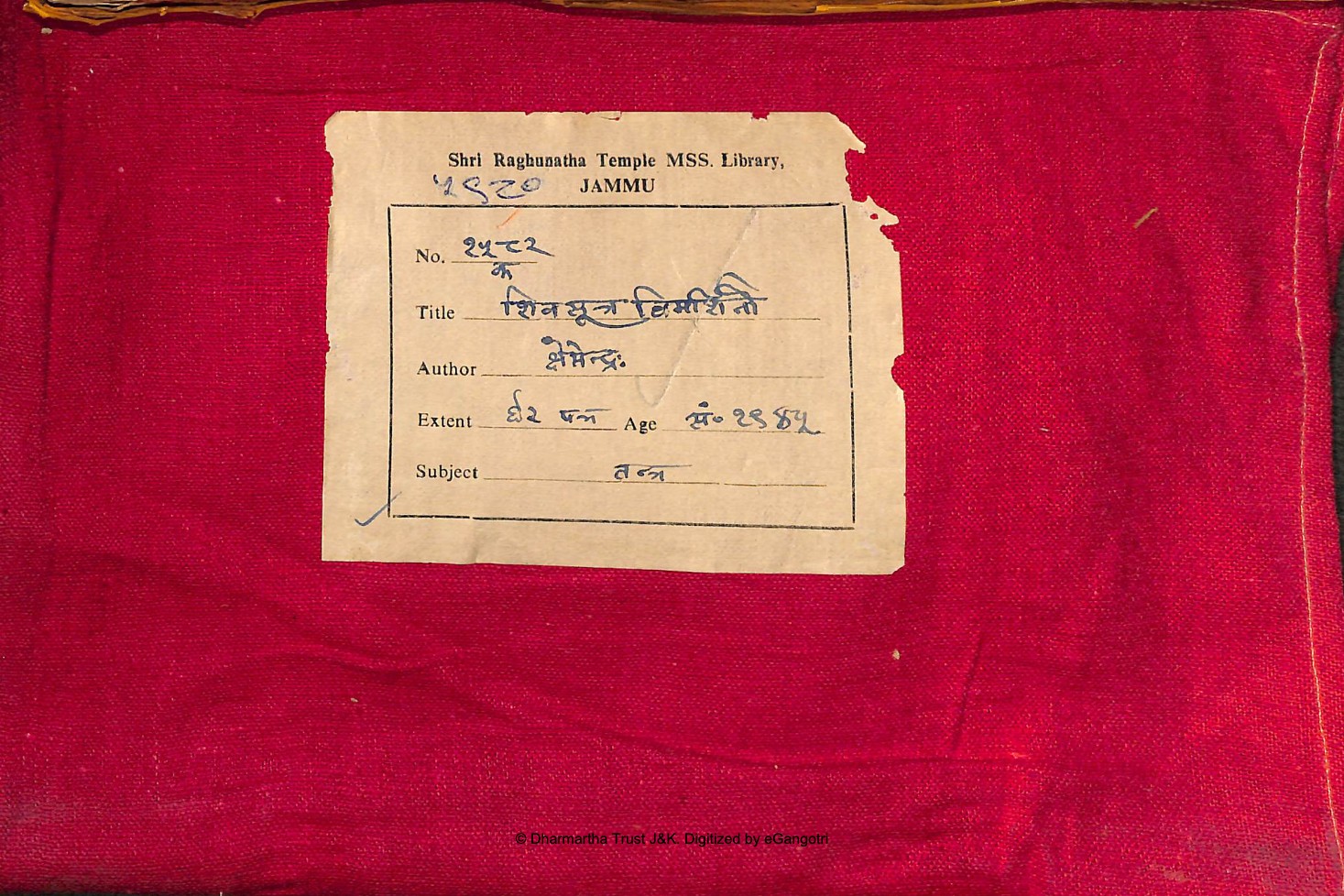
Śivasūtravimarṣiṇī
This Sanskrit manuscript presents a significant Tantric philosophical text, specifically a commentary on the Śivasūtras attributed to the Kashmiri Shaiva tradition. The sample reveals exegetical treatment of foundational concepts including caitanya (pure consciousness), the nature of Śiva as supreme consciousness, and the threefold powers of knowledge, will, and action (jñāna-icchā-kriyā-śakti). Notable features include the invocation of Śrīkaṇṭha, references to the Spandaśāstra tradition, and detailed discussion of mantra-virya and śāktopāya as meditative methodologies. The manuscript's colophon elements indicate it comprises 12 folios (paṭra) and dates to Saṃvat 2585 (1528 CE), situating it within the early modern period of Hindu Tantric scholarship.